Analysis of common mistakes in oyster mushroom cultivation, so beginners take fewer detours
Oyster mushrooms are very common in our daily lives. Because oyster mushrooms taste delicious, are affordable and are rich in nutritional value, they are welcomed by many people. So oyster mushrooms are now cultivated in most areas of our country, and many people make many mistakes when cultivating oyster mushrooms for various reasons. So today I have brought you the common mistakes in oyster mushroom cultivation. Let's take a look below!
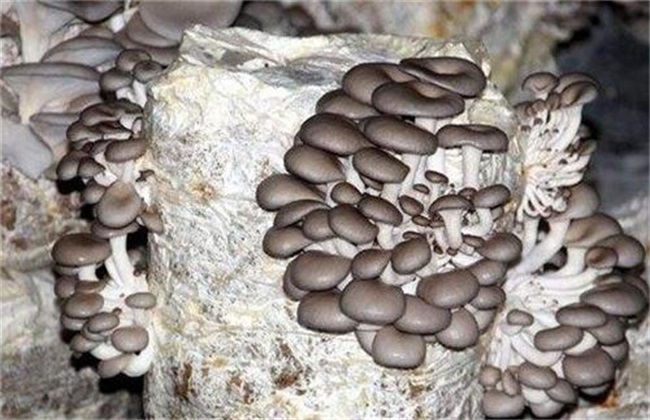
1. Improper site selection
When cultivating oyster mushrooms, site selection is very important. If oyster mushrooms are cultivated in dark, poorly ventilated places, they are prone to contamination by various molds, leading to cultivation failure. If air circulation is poor, the carbon dioxide content in the mushroom house increases, and oyster mushrooms are prone to poisoning damage, unable to fruit or producing deformed mushrooms. Therefore, when cultivating oyster mushrooms, we should plant them in a place with good ventilation, sufficient scattered light and clean sanitation, and do a good job of disinfection. For a site being used for cultivation for the first time, use measures such as brushing the walls with limewater and spreading quicklime to disinfect. Old mushroom houses should be fumigated and disinfected to ensure normal growth of oyster mushrooms.
2. Inappropriate substrate
Many people, when cultivating oyster mushrooms, use contaminated, caked raw materials, causing large-scale contamination of oyster mushrooms and failure of mycelial growth. Or when preparing their own substrate, they add too much urea and other nitrogen fertilizers to the material. Nitrogen fertilizers easily produce large amounts of ammonia gas, causing toxicity to the mycelium and preventing mycelial growth. So we must pay attention to the quality of the substrate, keep the raw materials clean, and do a good job of disinfection. Do not add chemical raw materials casually; only during pile fermentation may a moderate amount of nitrogen source be supplemented. Then pay special attention to the moisture of the substrate, which must not be too high or too low, otherwise it will also be very unfavorable to the mycelial growth of oyster mushrooms.
3. Improper selection of spawn
When cultivating oyster mushrooms, the selection of spawn is also very important. We need to reasonably select suitable spawn according to seasonal changes. If the spawn is improperly selected, it will be very unfavorable to the growth of oyster mushrooms. For example, choosing high-temperature varieties in winter, or choosing low-temperature varieties in spring. Or at the time of sowing, the spawn has already aged or been contaminated. All of these will affect the mycelial growth and fruiting of oyster mushrooms, or even prevent mycelial growth and fruiting. So be sure to choose suitable spawn, and do not use aged or contaminated spawn.
4. Poor management
Poor management is the most common mistake many people make when cultivating oyster mushrooms. During the fruiting period of oyster mushrooms, an appropriate amount of scattered light is needed. If the light is insufficient, the fruiting of oyster mushrooms will be slow. Then humidity must also be controlled well. Do not blindly increase the amount of water sprayed just to increase humidity, as this easily smothers the young mushrooms. Mainly spray into the air, and also pay attention to ventilation and air exchange to prevent excessive carbon dioxide indoors from affecting the formation of fruiting bodies. Finally, pay attention to the harvesting method. Do not harvest the large ones and leave the small ones just to increase yield.
The above is a brief introduction to the common mistakes in oyster mushroom cultivation. That is all for today's introduction. This article is for reference only, and I hope it can help everyone!