Detailed Explanation of Key Winter Management Techniques for Button Mushrooms
The button mushroom (Agaricus bisporus) is a type of mushroom with an excellent taste and rich nutritional value. It is also in great demand in our country's market, and when cultivating button mushrooms, we need to adjust our management methods according to seasonal changes. Especially in winter, when temperatures are very low, conditions are very unfavorable for the growth of button mushrooms. So how should button mushrooms be managed in winter? Let's take a look below at the winter management techniques for button mushrooms!
1. Clean the casing surface
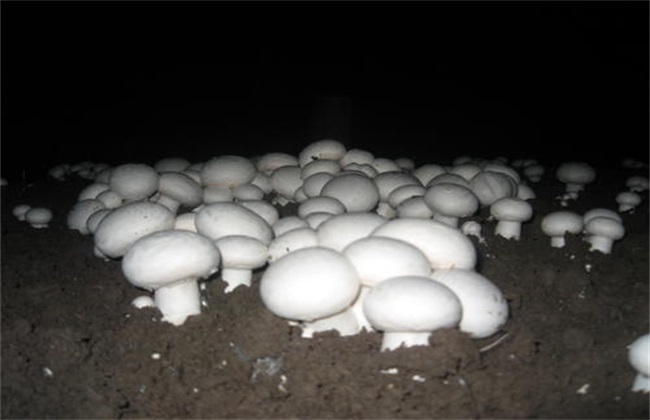
Button mushrooms are generally harvested in autumn each year. After harvesting the button mushrooms in autumn, the first thing we need to do is clean the mushroom bed surface thoroughly. The main task is to remove dead mushrooms, old mycelial clumps, and old shriveled, yellowed mycelium that has lost its usefulness. This is because these materials carry a great deal of contaminating microorganisms, and if they are not cleaned up in time, these contaminants will cause great harm to the growth of button mushrooms when environmental conditions become suitable the following spring, affecting both yield and quality. Therefore, everyone must pay close attention to this.
2. Ventilate in time
After about two months of moisture retention and mushroom stimulation in autumn, the humidity in the mushroom house becomes quite high. In particular, the water content of the compost and casing soil is also very high. So after cleaning the bed surface, we should immediately open the doors and windows of the mushroom house to ventilate it. Then punch several holes in the bed surface to promote the discharge of water and waste gases from the compost, allowing the mycelium to resume growth as quickly as possible while also maintaining indoor air quality. Usually, ventilate for about two hours around noon each day. If the temperature is relatively low, then ventilation should be stopped, and the indoor temperature should be maintained at around 3-4°C.
3. Apply fertilizer appropriately
In winter, we should also apply appropriate fertilizer to the mushroom bed to supplement the nutrients needed for growth. The fertilizer can be a mixture of livestock manure and superphosphate, among other substances. Then boil it, and after it cools, spray it onto the mushroom bed. The pH of the soil in the mushroom bed should be maintained at around 7-7.5. For mycelium exposed on the bed surface, cover it with fine soil. Then we should also pay attention to loosening the soil and removing roots. For mushroom beds with good mycelial growth, improve aeration. Remove old mycorrhizae and dead mushrooms without damaging the mycelium, then level the soil.
4. Water management
In winter, although the temperature is relatively low, the climate is rather dry. Therefore, we also need to spray an appropriate amount of water onto the bed surface to maintain humidity inside the mushroom bed. When spraying water, some micro-fertilizer can be sprayed along with it, and attention should also be paid to the amount of water sprayed. It should not be too much, because if there is too much, the soil surface will be overly wet and prone to freezing, which affects the growth of button mushrooms. After finishing, close all doors and windows. If frost or snowy weather occurs, also cover the outside of the doors and windows with straw.
The above is a brief introduction to winter management techniques for button mushrooms. That is all for today's introduction. This article is for reference only, and we hope it can help everyone!