What are the precautions for sprouting vegetable seeds?
When cultivating vegetables in early spring, the relatively low temperatures are extremely unfavorable for vegetable seeds to sprout, so seed soaking and sprouting techniques are needed to ensure that vegetable seeds can germinate normally. However, there are also several issues to pay attention to during sprouting, otherwise it will be unfavorable for seed germination. Let's take a look together below.
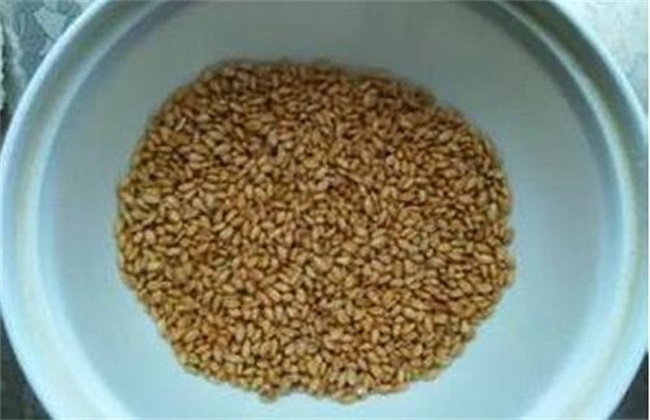
1. The soaking time should be appropriate
Soaking seeds is the first step of sprouting. At this time, the seeds are generally soaked in warm water to awaken them from dormancy and make their embryos start to sprout. However, pay attention to the soaking time. If the soaking time is too long, the seeds will absorb too much water, which will instead affect the germination rate of vegetable seeds. The specific soaking time should be determined according to the characteristics of different vegetable seeds. Some seeds have thin seed coats, so the soaking time is shorter; while some seeds have thicker seed coats and poor water absorption, so the soaking time will naturally be longer.
2. Pay attention to the sprouting temperature
During sprouting, it is necessary to properly control the temperature, humidity, and ventilation conditions. The sprouting temperature for spring vegetables is around 25-30 degrees. In the early stage of sprouting, the temperature can be slightly lower to avoid consuming too many nutrients. After individual seeds sprout, the temperature should be raised immediately to promote rapid sprouting. After the seeds generally sprout, excessive leggy growth should be prevented, so that the seeds sprout quickly and the young sprouts are sturdy.
3. Pay attention to turning
During sprouting, pay attention to turning the seeds frequently, and rinse them with warm water 1-2 times a day. After each rinse, the seeds should be dried and then sprouting should continue. This can prevent the seeds from rotting due to excessive moisture. Under suitable temperature conditions, cucumbers sprout in 36 hours, eggplants and peppers in 5-6 days, and tomatoes in 2-3 days. When about 80% of the seeds have sprouts, sprouting can be stopped and they are ready for sowing.
4. Pay attention to the length of the sprouts
During sprouting, pay attention to the degree of sprouting. It is best when the sprouts have just broken white and the sprout length does not exceed 3 cm, and it must not exceed 5 cm at most. If the sprouts are too long, they will consume too many nutrients from the seeds, causing them to be unable to emerge from the soil after sowing, resulting in failed emergence and finally causing seed rot and seedling death.
The above is an introduction to the precautions for sprouting vegetable seeds. We hope it can help you. To learn more related knowledge, please stay tuned to us.