Identifying and Controlling Corn Nutrient Deficiency Symptoms
Corn nutrient deficiency is scientifically known as nutrient deficiency disorder. It occurs because during the middle to late growth stages of corn, the nutrients in the soil can only meet the needs from the seedling stage to the tasseling stage, and it is assumed that the base fertilizer and topdressing applied have been completely absorbed by the corn, so deficiency symptoms begin to appear after entering the grain-filling stage. So what should be done about corn nutrient deficiency? Let's learn about it together with the editor.
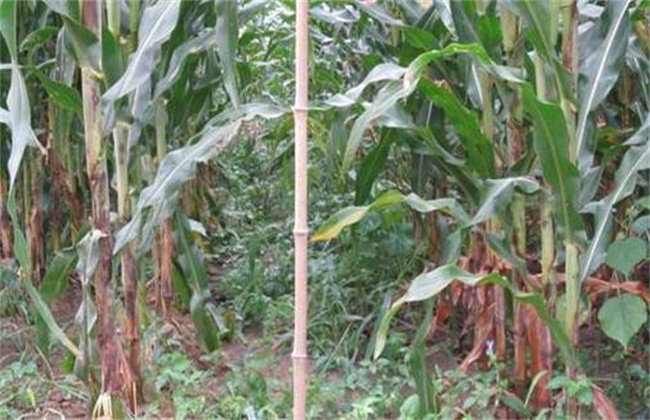
1. Deficiency symptoms
Many farmers believe that corn nutrient deficiency is mainly caused by a lack of the three major elements nitrogen, phosphorus, and potassium, and that it mainly occurs in the early stage. However, in actual production, seedlings need very little fertilizer in the early stage, and crops generally do not show nutrient deficiency in the early stage. If corn lacks the three elements nitrogen, phosphorus, and potassium, the lower leaves must be examined. When nitrogen is deficient, the first lower leaf usually shows obvious symptoms, starting from the leaf tip and yellowing relatively evenly toward the leaf base; the symptoms of phosphorus deficiency and nitrogen deficiency are the same at the base, but the difference is that light purple appears on the edges of the yellow leaves; potassium deficiency usually appears on the leaves above those affected by nitrogen and phosphorus deficiency. Wherever leaves turn yellow, both sides of the leaf veins remain green, and the leaf tips have a scorched appearance, this is an obvious sign of potassium deficiency.
2. Nutrient deficiency
Nutrient deficiency means corn lacks minor and trace elements. Magnesium deficiency and zinc deficiency first appear on old leaves. Magnesium deficiency causes yellow stripes on the old leaves of corn that spread toward the leaf tip, with the edges and leaf tips turning light purple and then withering and dying; zinc deficiency causes white broad bands on both sides of old leaves, while young leaves turn yellow-white and later wither and die. Symptoms of deficiency in elements such as copper, sulfur, iron, and boron mainly appear on the upper leaves. When copper is deficient, the top young leaves turn yellow and growth is hindered; when corn is deficient in sulfur, the upper new leaves become chlorotic and the leaves become thinner; when iron is deficient, the upper tender leaves lose green and turn yellow in stripes; when boron is deficient, the upper leaves turn yellow with yellow-green stripes.
3. Control methods
First, try every possible means to increase the application of farmyard manure to ensure that nutrient elements are sufficient and complete and to improve the soil fertility level; second, carry out shallow plowing of 15-20 cm and deep plowing of 30-45 cm to expand the plowed area; third, apply various nutrient elements according to the time and local conditions and increase the use of micro-fertilizers; fourth, increase the use of blended compound fertilizers and bacterial fertilizers to enhance the activity of beneficial bacteria.
The above is an introduction to corn nutrient deficiency symptoms and control methods. We hope it can help you. To learn more related knowledge, please follow us.