Detailed Explanation of Key Points of High-Yield Cultivation Techniques for Edamame
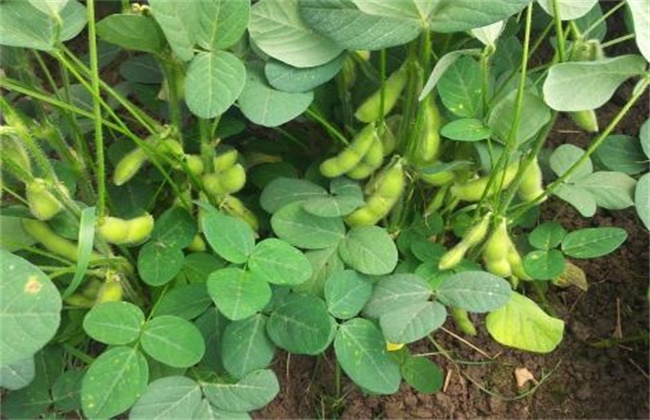
Edamame is rich in nutrients and deeply loved by the general public. It can not only be eaten directly after cooking, but also can be sold as soybeans after being sun-dried, so it has extremely high value as an added-value product. So how can edamame achieve high yields? Let's take a look together below with the editor.
1. Seed treatment
Before planting, we can treat edamame seeds. This is a prerequisite for high edamame yields. You can choose a sunny day and place the seeds on the ground to expose them to sunlight. This can both play a disinfecting role and restore seed vitality. If you want to increase the seed germination rate, you can cultivate them in a greenhouse. If it is an early-maturing variety, because the outside temperature is low, open-field planting can be adopted. If the emergence rate is still low, you can choose to raise seedlings in cold beds in February to March.
2. Ensuring seedlings
The so-called ensuring seedlings means ensuring that the seedlings emerge neatly and completely. Generally speaking, about 10 days after sowing edamame, the seedlings will emerge one after another. At this time, we should promptly go to the field to inspect and check the growth of the seedlings in time. If missing seedlings are found, they need to be replanted promptly to ensure complete seedling growth and cultivate strong seedlings.
3. Pinching and topping
When the stems and leaves of edamame show excessive vegetative growth, we need to use pinching techniques to deal with these stems and leaves. Pinching mainly refers to the work of treating the main stem of edamame. If after edamame grows, the stems again produce flowers, then they cannot mature in time. At this time, topping is needed to control excessive stem and leaf growth, promote the transition from vegetative growth to reproductive growth. At the same time, it can also reduce flower and pod drop, promote pod maturity, and can achieve early maturity and increased yield earlier, improving quality.
4. Precautions
During the edamame growing period, two points should be noted. First, edamame is afraid of waterlogging. If the soil is too moist during the planting period, then edamame will absorb too much water because of its thin skin, causing seed and sprout rot. If the field is too wet during the seedling stage, the edamame plants will grow excessively, and the flowers and pods will drop due to absorbing too much water. In addition, edamame growth also has a time limit. If the growth period is relatively short and nutrient accumulation is insufficient and base fertilizer cannot keep up, it will cause small pods and low yield.
The above is an introduction to high-yield cultivation techniques for edamame. I hope it can help you. If you want to learn more related knowledge, please follow us.