What causes calcium deficiency in cucumbers? A detailed explanation of the key points of calcium supplementation
Cucumber is a common vegetable in our daily lives, and calcium deficiency during cultivation is also a fairly common phenomenon that can seriously affect the yield and quality of cucumbers. So what causes calcium deficiency in cucumbers? How should calcium be supplemented? Let's learn about it together.
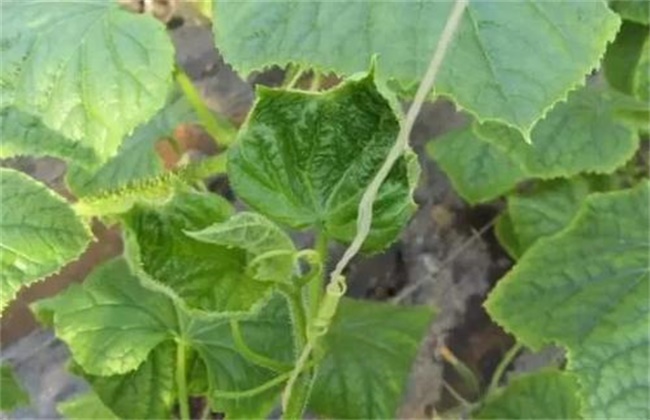
I. Causes of calcium deficiency in cucumbers
1. Insufficient calcium in the soil is the main cause of calcium deficiency in cucumbers. This situation often occurs in sandy soil, old vegetable gardens, continuous-cropping vegetable gardens, and vegetable gardens with low organic matter content.
2. Soils with low available calcium content generally do not show calcium deficiency either. The main reason is that ammonium ions, potassium ions, sodium ions, magnesium ions, etc. dissolved in the soil can have an antagonistic effect with calcium ions, thereby inhibiting the root system's absorption and utilization of calcium ions and causing calcium deficiency.
3. The root system's absorption of calcium mainly takes place at the root tips. If root growth and development are poor and absorptive capacity is weak, calcium deficiency will occur.
4. Calcium has poor mobility in plants. The main driving force for its transport in plants depends on the transpiration stream, so organs with greater transpiration intensity and longer growth time receive more calcium, resulting in less calcium in the upper leaves.
II. Effects of calcium supplementation
Calcium supplementation for cucumbers can prevent and control physiological diseases. Increasing calcium nutrition can effectively prevent and control various physiological diseases caused by calcium deficiency. It can also increase yield and improve variety. Calcium can promote root absorption and cell division and promote the synthesis of carbohydrates and proteins. Calcium can reduce the activity of ethylene synthase, lower respiration, inhibit cell senescence, and improve the storage and transport quality of fruits. In addition, calcium is an important component of cell walls and can increase the hardness of cells and organs, making fruits firmer.
III. Key points of calcium supplementation
1. Increase the application of organic fertilizer as base fertilizer. On the basis of phosphorus and potassium, sandy soil should be supplemented with calcium-containing fertilizers such as calcium magnesium phosphate fertilizer, superphosphate, and calcium nitrate. For old vegetable gardens, quicklime powder can be added to supplement calcium content.
2. For foliar spraying, add 1-2 jin of superphosphate to every 100 kg of water. After half an hour, soak it for a period of time and take the supernatant extract for spraying. Amino acid calcium or humic acid calcium can also be selected for spraying during the peak period of calcium absorption by vegetables.
3. Apply nitrogen and potassium fertilizers scientifically. Ammonium ions and potassium ions have an antagonistic effect with calcium ions, and when nitrogen fertilizer is high, it will also inhibit calcium absorption, so the application of nitrogen and potassium fertilizers should be appropriately controlled.
4. Increase the application of organic fertilizer. Organic fertilizer is rich in organic matter and various nutrient elements required for crop growth, and has an excellent effect on improving soil and building soil fertility.
The above is an introduction to the causes of calcium deficiency in cucumbers and the key points of calcium supplementation. We hope it can help you. To learn more related knowledge, please keep following us.