Detailed Guide to the Prevention and Control Techniques for Chilling Injury and Freezing Injury in Cucumbers
When cucumbers are cultivated in greenhouses in autumn, winter and early spring, the cold temperatures make them highly prone to chilling injury and freezing injury. In early spring the leaves turn yellow and growth is damaged, and in severe cases the plants wilt and die. So how should chilling injury and freezing injury be prevented and controlled? Let's find out together.
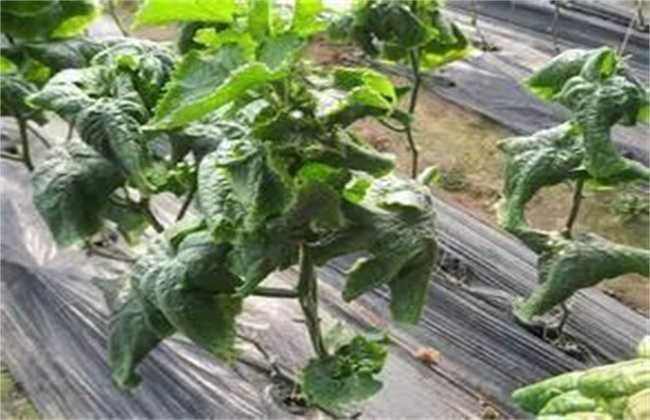
I. Causes of Low Temperature and Freezing Injury
The longer the low temperature and the low-temperature period last, the faster the temperature drops, and the more severe the chilling injury and freezing injury to cucumbers become; conversely, the milder they are. If the temperature drops slowly, the symptoms of freezing injury and chilling injury are milder. If low temperature is followed by clear weather, chilling injury and freezing injury are aggravated; if low temperature is followed by cloudy weather and the temperature gradually rises, the cucumbers gradually recover their physiological vitality, and chilling injury and freezing injury are somewhat milder.
II. Preventive Measures
Grafted seedlings can be used at transplanting. According to experimental surveys, in the same greenhouse the wilting rate of ungrafted seedlings reached more than 10%, while that of grafted seedlings was only about 10%. Before the Beginning of Spring, greenhouse cucumbers are highly vulnerable to cold waves, so nitrogen fertilizer should be applied as little as possible, and watering should be controlled at the same time, so as to prevent the seedlings from growing leggy and to avoid reducing their cold resistance, which would make freezing injury and chilling injury to the seedlings more severe. Before a cold wave arrives, some straw can be lit at intervals to produce smoke, which can also reduce chilling injury and freezing injury, but note that the amount of smoke should not be too large, lest the seedlings be smoked to death, and also be careful not to cause open flames. After cucumbers have suffered continuous low-temperature damage, when clear weather returns, do not immediately remove the straw curtains; instead, remove the straw curtains gradually, to avoid the temperature rising sharply and burning the seedlings.
III. Remedial Measures
Fertilizer and water management should be strengthened to prevent premature leaf aging. After the stem tip wilts, fertilizer and water management should be strengthened to prolong the photosynthetic function period of the original leaves on the main vine. On each clear day, keep the daytime temperature at around 28 degrees and the nighttime temperature no lower than 12 degrees; water under the film once a week, and apply nitrogen fertilizer once every two weeks together with watering. After the cucumber plants resume normal growth, their nutrient level is relatively sufficient, and both side branches and second-crop cucumbers will be produced in large numbers, but the cucumbers on the side branches are of poorer commercial quality, and the main vine already has some length, so all side branches need to be pinched off at the tip, forming a relatively long peak production period.
The above is an introduction to the prevention and control techniques for chilling injury and freezing injury in cucumbers. We hope it helps you. To learn more related knowledge, please stay tuned to us.