Detailed Explanation of the Key Technical Points for High-Yield Rapeseed Cultivation and Management
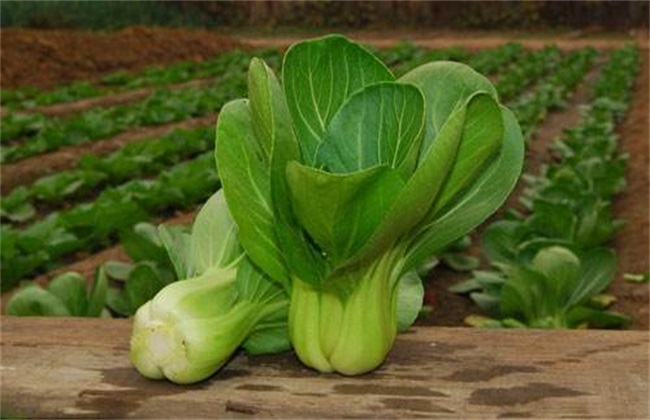
Rapeseed is a very common leafy vegetable in our daily lives. It has a wide planting area in our country, and when planting rapeseed, if it is grown on a large scale, everyone is surely very concerned about the yield. If you want high rapeseed yields, then certain cultivation and management practices are indispensable. So what exactly are they? Below, the editor brings you the high-yield rapeseed cultivation and management techniques. Let's take a look!
1. Preventing drought
If rapeseed encounters drought after sowing, it will have a great impact on the germination rate of rapeseed seeds, thereby causing a decline in rapeseed yield. Therefore, after sowing, we should frequently water the seedbed to keep the seedbed soil in a moist state. Before rapeseed emerges, it should be watered once in the morning and once in the evening every day. If it is still dry after emergence, then when the seedling leaves wilt, dilute manure water should be applied promptly. However, do not water too much. If there is a lot of rain, then the work of clearing ditches and draining waterlogging should be done well, and at the same time, plant ash should be appropriately scattered to lower the seedbed temperature.
2. Early thinning and final thinning of seedlings
During the rapeseed seedling stage, in order to avoid excessive seedling density, small growth space where plants affect each other's growth, and competition for light, etc., the work of thinning and final thinning of seedlings should be done as early as possible. If thinning and final thinning are done too late, then it will affect the rate of strong rapeseed seedlings, thereby causing a decline in yield. Therefore, thinning should generally be carried out when the seedlings have three leaves, and final thinning when they have 5 leaves. When thinning, care should be taken to retain strong seedlings and remove weak ones. And when thinning, the weeding work in the seedbed should also be done well to avoid weed overgrowth in the seedbed.
3. Timely topdressing
Topdressing is the key to ensuring high rapeseed yields. After the first true leaf of the rapeseed seedling appears and spreads flat, topdressing should be carried out promptly to meet the nutritional needs of rapeseed growth. Usually, about 1500 kg of low-concentration human manure and urine should be applied per mu. Then, one week before the seedlings are transplanted and planted, apply the same amount of decomposed farmyard manure, or about 4 jin of urea. In between, topdressing should also be applied as appropriate according to the actual growth of the seedlings. If growth is normal, then topdressing may not be needed. If there is chlorosis and slow growth, then an appropriate amount of urea should also be applied.
4. Pest and disease control
Pest and disease control for rapeseed is also very important. At the same time, pests and diseases are also one of the main reasons affecting rapeseed yield, especially during the rapeseed seedling stage. Common pests include aphids, cabbage caterpillars, etc. These pests cause serious damage to rapeseed leaves, roots and stems, and other parts. Therefore, everyone must use pesticides rationally for control, and agents such as malathion emulsion can be used. Then, one week before transplanting, an appropriate amount of agents such as carbendazim and thiophanate should be sprayed once to control downy mildew and ensure normal rapeseed growth.
The above is a brief introduction to high-yield rapeseed cultivation and management techniques. That's all for today's introduction. This article is for reference only, and I hope it can help everyone!