How to manage peppers during the flowering and fruiting period? Key technical points explained in detail
Pepper cultivation is very common in China, and as a side dish, it is welcomed by many people. When we grow peppers, if we want to improve yield and quality, then doing a good job in management is very important. And it is necessary to adjust reasonably according to the growth stage of the peppers, so how should they be managed during the flowering and fruiting period? Today the editor brings you the management techniques for peppers during the flowering and fruiting period, let's take a look below!
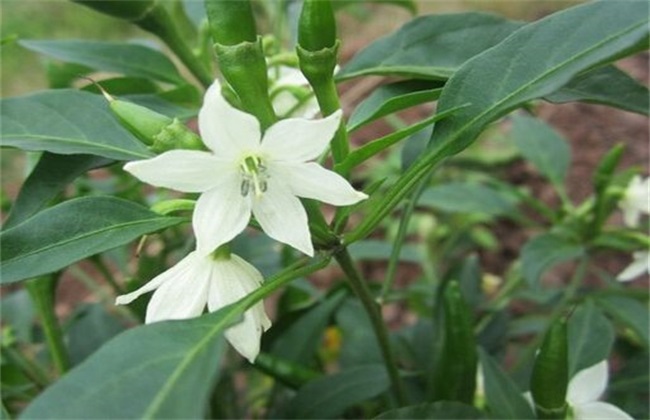
1. Water management
The flowering and fruiting period of peppers is generally around June each year, and at this time the growth capacity of peppers is relatively strong. Therefore, attention should be paid to maintaining sufficient water. If conditions permit, well water can be used for irrigation, which can lower the temperature and increase aeration, improving the vitality of the pepper roots. However, the root distribution of peppers is relatively shallow, so their tolerance to waterlogging is relatively poor. Therefore, during the flowering and fruiting period we should also pay attention to doing a good job in drainage to prevent water accumulation from damaging the roots. After rain, microbial agents should be appropriately applied, which can improve soil structure and avoid stickiness and heaviness. If it is greatly affected by rainwater, then foliar fertilizer can be appropriately sprayed to supplement nutrients.
2. Reasonable fertilization
During the flowering and fruiting period of peppers, the demand for fertilizer is also relatively large. Generally, the fertilizer demand at this stage is about 30% of the fertilizer demand of peppers throughout the entire growth period. Therefore, we should focus on doing a good job in fertilization. For peppers that are in the flower bud stage, an appropriate amount of phosphorus and potassium fertilizer and some trace elements should be supplemented in time. Fertilizers such as phosphorus and potassium fertilizer and urea can be applied. And if it is fresh peppers that have already been picked, then after each harvest, an appropriate amount of urea should be applied as a topdressing together with watering, the amount of fertilizer should be controlled well according to the growth condition, and then foliar fertilizers such as monopotassium phosphate should be appropriately sprayed.
3. Prevent the three drops
After peppers enter the flowering and fruiting period, we should not only do a good job in water and fertilizer management. We should also focus on preventing the three drops phenomenon in pepper plants, which is what we often call flower drop, fruit drop, and leaf drop. The three drops have a very large impact on the growth of peppers, which will lead to a decline in pepper yield and affect pepper quality. Therefore, we should pay attention to appropriately spraying liquid fertilizers such as Caiguo Zhuangdiling, and at the same time apply chitin by flushing once about every ten days. This supplements sufficient trace elements for pepper plants, promotes rooting, improves the rate of strong seedlings, and serves the purpose of preserving flowers and fruits.
4. Pest and disease control
As just mentioned, the flowering and fruiting period of peppers is generally around June each year. And the environment in June is generally high temperature and high humidity, and this environment is very favorable for the activity and reproduction of pests and diseases. Therefore, we should also pay attention to doing a good job in pest and disease control, such as red spiders, aphids, phytophthora blight, and anthracnose. For insect pests, pesticides such as imidacloprid and abamectin can be used for control, and for diseases, Bordeaux mixture can be applied. The main approach is still prevention first, strengthening field management, and ensuring that peppers flower and bear fruit normally.
The above is a brief introduction to the management techniques for peppers during the flowering and fruiting period. That is all for today's introduction. This article is for reference only, and I hope it can be helpful to everyone!