What to Do When Cotton Suffers Herbicide or Pesticide Damage? A Detailed Guide to Remedial Methods
Cotton is a crop that receives pesticide applications relatively frequently. During application in cotton fields, pesticide damage to cotton often occurs due to the wrong choice of pesticide variety, excessive concentration, improper application methods, and other reasons, resulting in decline in cotton variety quality, reduced yield, or even total crop failure. So how should pesticide damage in cotton be addressed? Follow along with the editor to learn more.
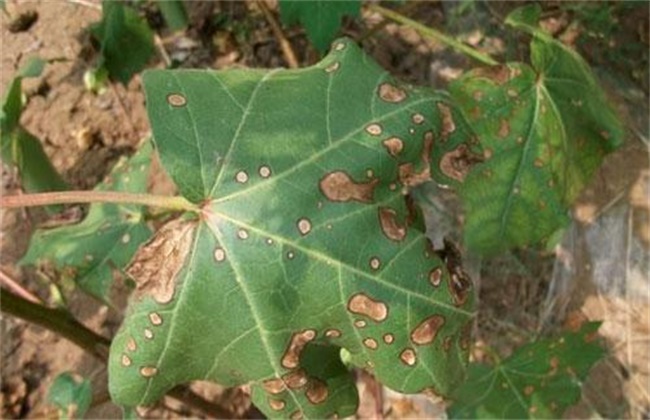
1. Spraying to neutralize
If the damage is caused by acidic pesticides, then some quicklime or plant ash can be spread, and for more severe damage, a 1% bleaching powder solution can be sprayed on the leaves. Conversely, if the damage is caused by alkaline pesticides, acidic fertilizers such as ammonium sulfate can be added to neutralize it. If there is no way to distinguish whether the pesticide is acidic or alkaline, then spraying a 0.1%-0.3% potassium dihydrogen phosphate solution on the leaves, or mixed spraying with 0.3% urea solution plus 0.2% potassium dihydrogen phosphate solution, can both reduce the economic losses caused by pesticide damage.
2. Spraying water and washing
If the pesticide damage is caused by spraying on the leaves and plants, and it is discovered in time, a large amount of clean water can be quickly sprayed on the affected leaves, because many chemical agents cannot withstand water washing. Spraying repeatedly 2-3 times in time can wash away the pesticide remaining on the plant surface and reduce the damage. When washing, the air pressure of the sprayer should be sufficient and the amount of water sprayed should be large. At the same time, combine this with intertillage and loosening of the soil to promote root development and enhance the crop's ability to recover.
3. Irrigation
For pesticide damage caused by some herbicides or by root irrigation, irrigation can be carried out immediately to wash the soil and leach the residual pesticide into deeper soil layers. For example, for pesticide damage caused by the herbicide prometryn, if discovered in time, immediately drain and replace the field water, and afterward adopt measures such as intermittent drainage and irrigation, which can very well alleviate or reduce the damage.
4. Fertilization for remediation
For pesticide damage that causes symptoms such as leaf spots, scorched leaf margins, and plant yellowing, certain plant growth regulators can be sprayed on the leaves, or foliar fertilizer can be sprayed directly, to promote plant recovery. For herbicides that inhibit or interfere with plant growth, after pesticide damage occurs, hormone-type plant growth regulators such as gibberellin can be sprayed to alleviate the damage. After crops suffer pesticide damage, comprehensive remedial measures can be taken according to the type of pesticide and the degree of crop damage, so as to reduce the harm as much as possible.
The above is an introduction to remedial methods for pesticide damage in cotton. We hope it can help you. If you want to learn more related knowledge, please stay tuned to us.