What to do about stunted bean seedlings? Detailed explanation of prevention and control methods
Stunted bean seedlings, also called "little old seedlings," are a phenomenon that often occurs during the growth of beans and brings huge losses to farmers. Therefore, during cultivation, more attention should be paid to management, and once discovered, it must be resolved promptly. So how should stunted bean seedlings be dealt with? Let's take a look together.
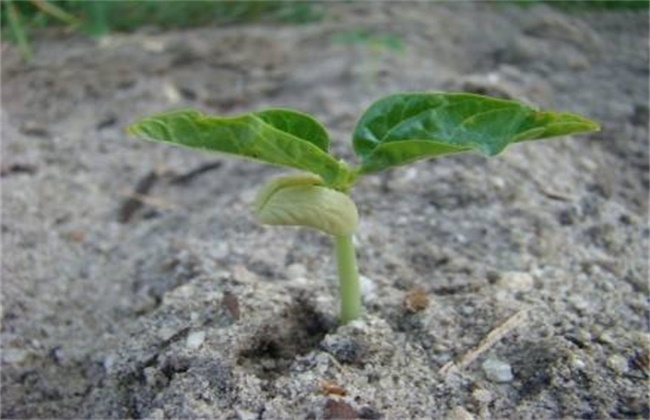
1. Symptoms of stunted bean seedlings
When stunted seedlings appear in beans, the plants grow very slowly, and may even not grow at all for several days. Their leaves also gradually become smaller, and the plants are thin and weak but appear old, which is why they are called "little old seedlings." Sometimes the leaves also turn yellow, and the stems become thin and hard and turn purple. The harm of stunted seedlings is extremely great, so more prevention is needed.
2. Causes
There are many causes of stunted bean seedlings. First, when the soil temperature is too low, the root system cannot absorb enough nutrients, and at this time the plants grow small and their growth is inhibited, forming stunted seedlings. In addition, during plant growth, besides not having sufficient nutrients, their growth is also greatly restricted, and with insufficient fertility, resistance also drops greatly. Therefore, fertilization is also relatively important, but during fertilization, applying too much fertilizer can cause burns to the plant root system and can also lead to stunted seedlings. Field diseases and insect pests can also harm the plants. Sometimes underground pests gnaw at the plant roots, causing the plants to lose the ability to absorb nutrients and gradually wither and die. When the soil is dry or humidity is relatively high, soil permeability is poor, root absorption is poor, or when there is continuous rainy weather, stunted seedlings occur especially severely.
3. Prevention and control methods
First, choose loose and breathable plots of land, and at the same time use formula fertilization, mixing organic fertilizer with medium and trace elements, so as to enhance the soil's buffering capacity and its ability to retain water and fertilizer, which is beneficial to the growth and development of the root system. During seedling raising, ground covering techniques can be used to find ways to increase soil temperature, promote root development, and cultivate strong seedlings. Plant at the right time, use high ridges and deep furrows when planting, pay attention to hardening seedlings before transplanting, and water at the right time and in the right amount, so as not to lower the seedbed temperature and low temperature, which is not conducive to root growth. Prevention and control of underground diseases and pests must be done early. Before applying base fertilizer, deep plow and prepare the land. If conditions permit, the soil can be disinfected to reduce the base number of pathogenic bacteria and insect eggs and reduce the probability of diseases and insect pests.
The above is an introduction to prevention and control methods for stunted bean seedlings. I hope it can help you. To learn more related knowledge, please follow us.