How to prevent and control green-shouldered fruit in tomatoes? These prevention and control methods are very practical
Green-shouldered fruit in tomatoes is a type of rib rot, a physiological disease that occurs during the tomato growing period. The occurrence of this disease brings huge losses to farmers, so corresponding prevention and control measures need to be taken. So what causes green-shouldered fruit in tomatoes? And how should it be treated? Let's take a look together.
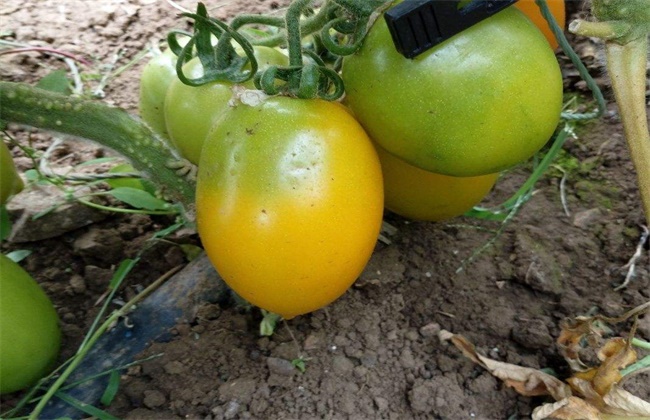
I. Causes of green-shouldered fruit in tomatoes
There are many causes of green-shouldered fruit in tomatoes, and one very important cause is unbalanced fertilization, caused by too much nitrogen fertilizer and too little potassium fertilizer. Excessive application of nitrogen fertilizer with relatively too little potassium is the main reason for the formation of green-shouldered fruit in tomatoes. After tomatoes enter the color-turning stage, excessively high nitrogen in the plant body will cause the nutrient level to be too high and affect the formation of lycopene, making the fruit color unevenly and forming yellow-shouldered fruit. The second cause is the variety; from a genetic perspective, varieties resistant to storage and transport show green-shouldered fruit to varying degrees. The third cause is temperature. After tomatoes enter the color-turning stage, they produce lycopene, and the suitable temperature for its production is 10-25 degrees. If it is lower than 10 degrees or higher than 25 degrees, the formation of lycopene will be inhibited, so a large number of green-shouldered fruits will be produced.
II. Prevention and control methods
1. The most important measure to prevent green-shouldered fruit in tomatoes is to apply more organic fertilizer, adopt formula fertilization, and use less ammonium fertilizer, so as to adjust the ratio of nitrogen, phosphorus and potassium in the soil and promote the plant's absorption and utilization of potassium fertilizer.
2. After the fruit enters the color-turning stage, remove the leaves below the color-turning fruit cluster and nearby leaves. Increasing light can reduce the occurrence of green-shouldered fruit.
3. Through foliar fertilizer, trace elements such as boron, calcium, magnesium, iron and zinc can be supplemented to the plant. Among them, the amino acid type is preferable, which can promote dark green leaves, enhance photosynthesis, increase the absorption of boron and calcium, and reduce green shoulders and cracked fruit.
4. Temperature must be strictly controlled, kept between 25-30 degrees during the day and 14-16 degrees at night. Note that the temperature difference between day and night should not exceed 15 degrees.
5. Balance the number of fruits set on the plant. If too many fruits are set or the fruit-setting position is too low, fruits with too many set fruits or too low fruit-setting positions should be thinned in time.
6. Control the concentration of the flower-dipping hormone and do not let it be too high. After using the flower-dipping agent, fertilizer should be supplemented in time.
The above is an introduction to the prevention and control methods for green-shouldered fruit in tomatoes. I hope it can help you. To learn more related knowledge, please follow us.