What to Do About Cucumber Root Rot from Waterlogging? Cause Analysis and Control Methods
Cucumber is a common gourd vegetable in our daily lives. Cucumbers are relatively easy to grow and have a fairly high yield, and market demand is also very large. Therefore, the cucumber planting area is now quite large, and when growing cucumbers, the phenomenon of cucumber root rot from waterlogging often occurs. This leads to reduced cucumber yields, so what should be done about cucumber root rot from waterlogging? Below, the editor will give a brief introduction for everyone, let's take a look!
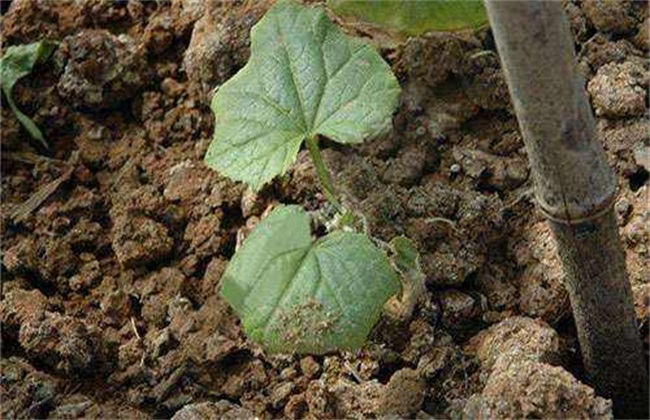
1. Symptoms of root rot from waterlogging
Cucumber root rot from waterlogging is a relatively common physiological disease during the cucumber growth period. After the root rot from waterlogging occurs in cucumbers, the roots will no longer grow new roots or adventitious roots. The color of the old roots will appear dark brown, causing the roots to rot, and ultimately leading to plant wilting. In severe cases, large patches of cucumber plants in the field will dry up. If observed only from the surface, it is somewhat similar to nutrient deficiency. If root rot from waterlogging persists for a long time, cucumbers also become prone to diseases such as root rot or damping-off, seriously affecting cucumber growth.
2. Causes of root rot from waterlogging
The main cause of cucumber root rot from waterlogging is excessively low soil temperature or excessive moisture. If the soil temperature remains below 12°C for a long time and is accompanied by continuous rainy days or excessive watering, then cucumber plants are very prone to wilting. If the wilting lasts too long, it very easily causes cucumber root rot from waterlogging. If root rot from waterlogging occurs during the cotyledon stage of cucumbers, then the cotyledons will gradually scorch; if it occurs during the true leaf stage, it will cause the true leaves to scorch during growth. Furthermore, if the soil temperature is below 6°C and the nighttime temperature is even lower, then the cucumber growing point will stop growing, ultimately causing the cucumber plant to die.
3. Control methods
Cucumber root rot from waterlogging should mainly be prevented. First, before sowing, use agents such as metalaxyl and mancozeb to soak the seeds, which can effectively reduce the occurrence of cucumber root rot from waterlogging, and can also increase the germination rate of cucumber seeds and enhance the cold resistance of cucumbers. When planting, ridge cultivation should be the main method, and flat-bed cultivation should not be used, otherwise root rot from waterlogging is likely to occur. Then the soil surface should be leveled, and planting should not be done in low-lying, uneven areas, otherwise the soil is prone to water accumulation, resulting in root rot from waterlogging and affecting cucumber growth.
Then, management should be strengthened during the cultivation process. Especially for the control of soil temperature, the soil temperature must not be too low, and the soil moisture content must not be too high; ventilation volume and time should be reasonably controlled. If raising seedlings at low temperature, it is best to use electric heating wires to increase temperature, keeping the temperature at around 16°C, and it must not be lower than 12°C at minimum. After the cucumber seedlings are transplanted, a cultivating and hoeing operation should be carried out once to raise the soil temperature and promote root growth. After cucumber root rot from waterlogging occurs, the corresponding nutrient solution should be sprayed promptly to alleviate the condition.
The above is a brief introduction to what to do about cucumber root rot from waterlogging. That's all for today's introduction. This article is for reference only, and we hope it can help everyone!