What are the causes of pepper plants running to vine and the preventive measures?
Pepper plants running to vine is a physiological disorder in pepper cultivation that can cause serious harm to pepper growth, thereby reducing pepper yields and affecting economic returns. So what causes pepper plants to run to vine? How should it be prevented and controlled? Let's take a look together.
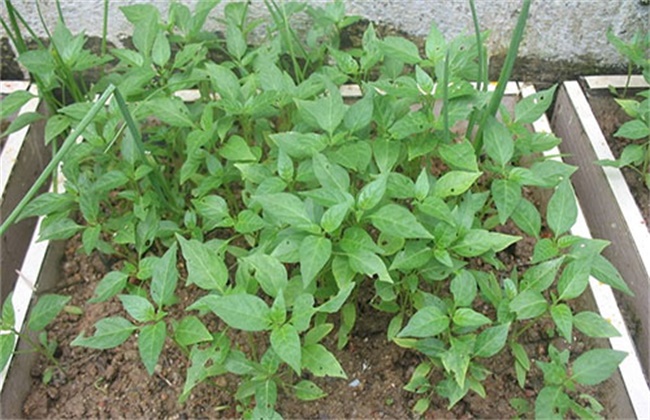
I. Causes of pepper plants running to vine
1. Variety
When buying pepper seeds, if you buy counterfeit or inferior products, it may cause plants to run to vine, and in severe cases even lead to total crop failure, so special attention should be paid when purchasing seeds.
2. Weak light intensity
Pepper is a short-day crop that flowers under 10-12 hours of light. If the photoperiod in winter and spring is too short and light intensity is poor, the plant's photosynthesis is limited, assimilates are reduced, and material transport slows down. In this way, carbohydrates are allocated to internodes and petioles, reducing supply to the root system and flower buds, resulting in excessive vegetative growth, causing poor growth and flower and fruit drop.
3. Night temperature on the high side
Temperature has a great influence on good photosynthetic rate, respiration intensity, the speed and direction of material movement, and the distribution of assimilates. When the greenhouse temperature exceeds 30 degrees and the night temperature exceeds 18 degrees, the plant's respiratory consumption increases, promoting excessive growth of stems and vines and petioles, causing nutrients to be transported to flower buds and fruit trees, resulting in plants running to vine.
4. Excessive fertilizer and water
After pepper transplanting, if the fertilizer level is on the high side, especially with too much nitrogen fertilizer, it encourages excessive allocation of assimilates to stems and vines, vigorous vegetative growth, and inhibition of reproductive growth, causing physiological metabolism disorder in the plant, hindering the normal and smooth transition of nutrients to reproductive growth, resulting in plants running to vine.
II. Preventive methods
1. Optimize greenhouse structure
When building a greenhouse, the optimal solar incidence angle should be reasonably planned and implemented according to the local geographic latitude and main cultivation season. At the same time, drip-free film should be selected, and during production, the greenhouse film should also be kept clean and pollution-free to increase light transmittance. Cold-proof straw mats should be uncovered early and covered late, correspondingly increasing the daily light duration. Reflective curtains can also be laid inside the greenhouse to improve lighting.
2. Reasonable fertilizer and water management
According to pepper's demand for fertilizer and water, use formula fertilization and reasonable irrigation, achieving sufficient fertilizer and controlled water, with reasonable promotion and appropriate control, coordinating the contradiction between vegetative growth and reproductive growth of pepper. First, prepare the soil moisture well, transplant with small water, lightly water for seedling recovery, and before the slow branches are harvested, do not water unless dry. During the full fruit period, combine watering with topdressing 2-3 times. At the same time, spray 200 times diluted inducer on excessive vegetative branches to control vigorous growth, and supplement boron, which helps promote flower bud differentiation and improve fruit set rate.
3. Seedling hardening
Seedling hardening can be flexibly controlled according to growth vigor, plant appearance, and variety characteristics. For example, for greenhouses with vigorous growth and excessive vegetative growth, appropriate heavier seedling hardening should be done; otherwise, lighter hardening or no hardening. For greenhouses where stiff seedlings have already occurred, not only should seedling hardening not be done, but appropriate fertilizer and water promotion should also be considered. As for varieties, late-maturing varieties can be moderately hardened, while mid-maturing varieties can be lightly hardened or not hardened. After fruit set, seedling hardening can be ended, and then fertilizer and water management should be strengthened, with good topdressing and watering to promote fruit expansion.
4. Increase temperature difference
Through various means, during the seedling stage, control the daytime temperature at 25-30 degrees and the night temperature at 20-25 degrees; during the flowering and fruiting stage, the daytime temperature at 20-25 degrees and the night temperature at 16-20 degrees, which must not be lower than 15 degrees. At the same time, strengthen ventilation and air exchange, control temperature and reduce humidity, so as to facilitate smooth photosynthesis, inhibit respiratory consumption, and benefit material transport.
The above is an introduction to the causes of pepper plants running to vine and preventive measures. We hope it can help you. If you want to learn more related knowledge, please stay tuned to us.