What to Do About Continuous Peanut Cropping? A Detailed Explanation of the Effects and Solutions
In China, peanuts are not only a food crop but also a very important oilseed crop, grown on a large area. However, many people do not pay attention to crop rotation when growing peanuts, which often leads to continuous cropping year after year, seriously affecting peanut growth. So what specific effects does continuous peanut cropping have? And how should it be addressed? Below, the editor will give you a brief introduction. Let's take a look!
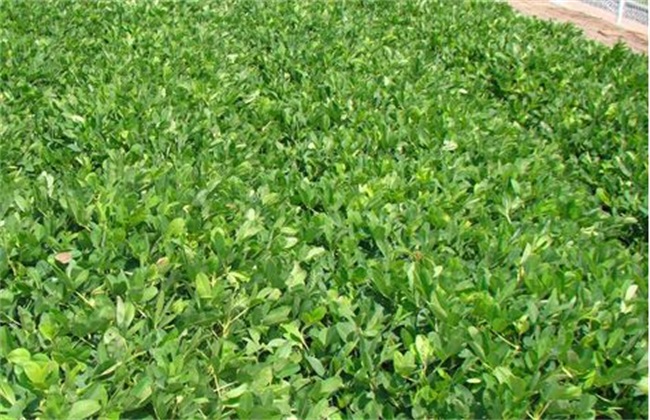
I. Effects of Continuous Cropping
1. Poor Seedling Quality
If peanuts are continuously cropped year after year, it will lead to serious pests such as white grubs in the soil. And when peanuts are planted, it is also the peak activity period of white grubs. White grubs will gnaw on peanut seeds, thereby reducing the germination rate of peanut seeds. And even if they germinate, they will produce weak seedlings. Moreover, in continuously cropped plots, there is too much organic acid in the soil, which is very unfavorable for the peanut's nutrient absorption, thereby delaying the peanut seedling stage and increasing the dead seedling rate.
2. Poor Quality
The most difficult thing to control in continuous peanut cropping is the problem of pests and diseases, which will seriously affect the yield and quality of peanuts. After continuous cropping, peanuts will produce a large number of harmful pathogens in the soil, and these pathogens are difficult to effectively eliminate even with chemicals. Moreover, continuously cropped peanuts will not only reduce the number of pods but also lower the filled-pod rate, seriously affecting yield. Research has found that peanuts continuously planted for more than two years see a yield reduction of about 10%, and if it is three years, the reduction can reach 25%.
II. Solutions
1. Rational Fertilization
When fertilizing, we should appropriately apply farmyard manure, which can effectively reduce the continuous cropping problem. This is because the nutrient structure of farmyard manure is relatively comprehensive, and it can improve soil structure and promote the reproduction of beneficial microorganisms in the soil. Beneficial microorganisms in the soil can not only inhibit the occurrence of soil-borne diseases but also decompose toxic substances in the soil. Therefore, when fertilizing, we should pay attention to applying more farmyard manure, biological fertilizer, etc., to improve soil quality.
2. Deep Plowing of the Soil
After the soil freezes every winter, the soil should be deep-plowed. This is because in a low-temperature, cold environment, deep plowing of the soil can effectively eliminate a large number of pathogens and insect eggs that overwinter in the soil, thereby reducing the pathogen base for the next year's disease incidence. Especially for pathogens such as southern blight that are active on the soil surface, as long as the pathogen is below 7cm in the soil layer, its activity will drop sharply, thereby reducing harm to peanuts.
3. Increase Medium and Trace Elements
Peanuts have a relatively large demand for calcium during growth. Therefore, for the continuous cropping problem of peanuts, if it is caused by a calcium deficiency or other medium and trace elements, then we should promptly supplement an appropriate amount of medium and trace elements such as silicon, calcium, and magnesium. At the same time, during the peanut flowering period, an appropriate amount of foliar fertilizer can be sprayed to meet the peanut's needs during the critical period and increase the peanut's pod-setting rate.
The above is a brief introduction to the effects of continuous peanut cropping and the solutions. That's all for today's introduction. This article is for reference only, and I hope it can help everyone!