How to prevent frost damage in pepper seedlings? These measures must be mastered
Pepper is a common seasoning vegetable, indispensable in our daily lives, and greenhouse technology allows it to be grown year-round. However, during the seedling-raising process, even a little cold wind can cause frost damage, seriously affecting planting profits. So how should frost damage in pepper seedlings be prevented? Follow along with the editor to learn about it.
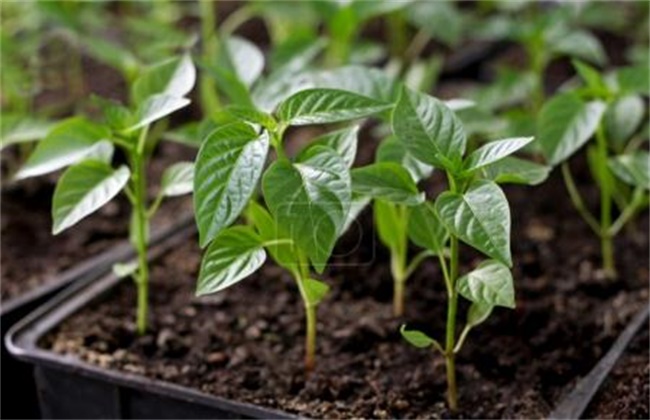
1. Improve seedling-raising methods
Traditional seedling-raising methods are highly prone to frost damage during ventilation. Temperature-controlled seedling-raising methods can be used, such as electric heating hotbeds and factory-based seedling production, which are effective measures for solving frost damage to seedlings. When raising seedlings artificially, pepper seeds can be soaked in a cultured bacterial solution before sowing, which can noticeably increase the seed germination rate, and the cultured bacterial solution can also produce biological enzymes and some nutrients that effectively improve seedling quality and enhance the cold resistance of seedlings.
2. Enhance the cold resistance of seedlings
Before the winter cold wave arrives, the covers can be removed as early as possible to let the seedlings receive more light for hardening, and when watering, the bacterial solution can be sprayed to improve the photosynthesis of seedling leaves, promote the downward growth of seedling roots, and improve their cold and disease resistance. During rainy and snowy low-temperature weather, take advantage of breaks when the weather clears to remove the straw mats so the pepper seedlings can receive sunlight. When it suddenly clears up after rain, several straw mats can be placed at intervals over the seedbed around noon to prevent the seedlings from losing water and wilting. When the seedbed is relatively humid, the seedlings are very prone to frost damage, so watering should be controlled before the cold wave arrives; when the seedbed soil is too wet, plant ash can be scattered to absorb moisture.
3. Balanced fertilization
Fertilizing during the seedling stage can also improve cold resistance, but improper fertilization can cause excessive seedling growth, resulting in thin and weak stems and poor cold resistance, so fertilization must be balanced. During the seedling stage, more phosphorus and potassium fertilizer can be applied to improve cold resistance, which can noticeably enhance the cold resistance of seedlings and improve leaf photosynthesis. At the 3-4 leaf stage, the bacterial solution can be sprayed once every week to enhance resistance, and generally two sprayings are enough.
4. Keep warm and prevent freezing
During cold wave periods, the seedbed must be tightly covered. During short periods of ventilation, prevent cold wind from blowing directly into the seedbed to avoid damaging the seedlings. At night, add straw curtains, or straw can be scattered over the seedlings and then removed after the cold wave passes. The straw mats added over the seedbed should be dry. After snowfall stops on snowy days, the accumulated snow should be removed from the seedbed in time to prevent water accumulation in the seedbed after it melts.
The above is an introduction to preventive measures for frost damage in pepper seedlings. We hope it can help you. To learn more related knowledge, please stay tuned to us.