Why Are Tomatoes Hollow? Cause Analysis and Preventive Measures
Tomatoes are a common vegetable, rich in vitamins, with a sweet and sour taste. With the development of greenhouse technology, tomatoes can now be eaten all year round, but many growers say that greenhouse tomatoes are very prone to hollowing. So what causes hollow tomatoes? Let's find out together.
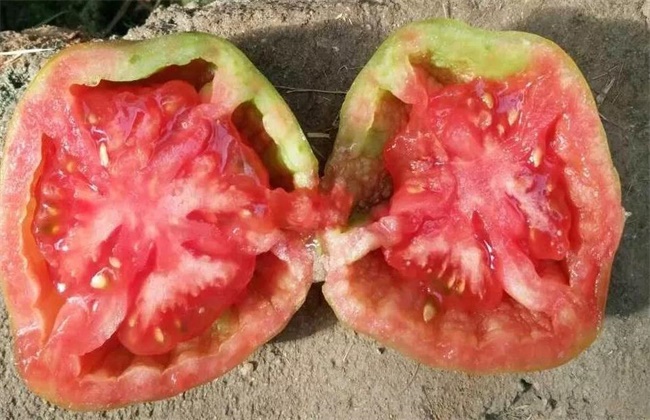
I. Causes of Hollow Tomatoes
1. Variety reasons
There are currently hundreds of tomato varieties in China, and they can be roughly divided into early-maturing varieties and late-maturing varieties according to their ripening time. Hollow tomatoes are largely caused by poor development of the placental tissue during fruit development, and this situation mostly occurs in early-maturing varieties.
2. Poor fertilization
Tomatoes are monoecious plants. During flowering and pollination, they need to rely on external pollination channels such as wind and insects. However, if continuous rainy weather occurs during pollination, the best pollination time will be missed, thus affecting normal fertilization and causing hollowing.
3. Excessive temperature
Tomatoes have strong heat tolerance. During pollination and fruit expansion, if the high temperature is above 36 degrees, it will also affect the pollination and expansion speed of tomatoes, causing hollowing.
4. Improper fertilizer and water management
During the growth process of the bee colony, topdressing should be applied in time according to the growth condition. If there is too much nitrogen fertilizer after the fruit expands, it can easily cause excessive stem and leaf growth, competing with fruit growth and development for nutrients, causing the fruit to become hollow due to insufficient nutrients. In addition, if topdressing is not applied in time during the rapid fruit expansion period, hollowing will also occur.
5. Excessive fruiting
Newly set fruit will not show hollowing, but as the plant continues to grow and the position of the inflorescence keeps rising, the more tomatoes the plant sets, the greater the chance of hollowing. When the plant sets too much fruit at one time, the fruit growing at the top will become hollow due to insufficient fertilizer and water.
II. Preventive Measures
1. Light management
In the middle and late stages of tomato growth, pruning and leaf removal should be carried out in good time to increase ventilation and light penetration. Generally, after harvesting, the side branches below the fruiting branch should be removed in time to ensure the nutrient supply to the fruit-bearing branch, and at the same time all leaves below the fruiting branch should be removed. Leaves on the fruit cluster should not be removed, so as to ensure good development of the upper fruit. If there is insufficient light, artificial supplemental lighting can be used.
2. Reasonable watering and fertilizing
Water is the prerequisite for ensuring normal tomato growth. Generally speaking, the plot can be kept at 60%-75%, and during the fruit development period it can be maintained at about 80%. When irrigating, pay attention to controlling the water temperature, which can prevent hollow tomatoes to a certain extent. The vigorous growth of tomato plants is inseparable from the coordination with fertilizer. Applying sufficient organic fertilizer in the base fertilizer can greatly reduce abnormal fruit growth, and at the same time pay attention to the reasonable combination of nitrogen, phosphorus and potassium.
3. Artificial pollination
Generally, greenhouse tomato cultivation requires artificial pollination. Wait until more than half of the first inflorescence has bloomed, then use biological regulators to dip the flowers. Note that the amount of flower dipping should not be too much, and it is best to dip once rather than repeatedly. When dipping flowers, avoid high-temperature weather, and it is best to do it in the morning and afternoon when the temperature has dropped.
4. Pinching and canopy management
In order to prevent excessive fruiting from affecting fruit expansion, generally keep 3-4 nodes of fruit per branch. After growing 2-3 clusters of fruit, 3-4 leaves can be retained and the tomato can be pinched. Pinching can prevent the plant from excessive vegetative growth and promote the growth of branches. After the branches grow 2 more clusters of fruit, retain 2-3 leaves and then pinch the branches, and so on.
The above is an introduction to the causes of hollow tomatoes and preventive measures. We hope it can help you. If you want to learn more related knowledge, please follow us.