What causes blotchy or mottled fruit in tomatoes?
Blotchy fruit in tomatoes is a physiological disorder of tomatoes, generally appearing mainly during the color-turning stage of the tomato fruit, when the fruit colors unevenly, with one patch red and one patch green. If the fruit is cut open, the vascular bundle tissue of the fruit can be seen to be black and rotting, and it is basically of no commercial value. So what causes blotchy fruit in tomatoes? Below, the editor will give everyone a brief introduction, let's take a look!
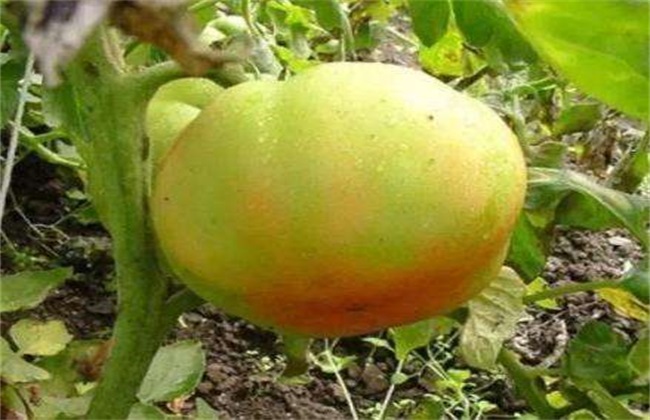
1. Excessive application of nitrogen fertilizer
When tomatoes are growing, their growth capacity is relatively strong, so attention should be paid to applying an appropriate amount of fertilizer. If the chlorophyll content of tomatoes is too high, it will inhibit the formation of lycopene, causing yellow spots to appear on the tomatoes. And when fertilizing, pay attention to controlling the amount of nitrogen fertilizer. If there is too much nitrogen fertilizer, it will cause an excessive content of ammonium ions in the soil, hindering the absorption of potassium by the tomato roots. This causes the nutrient transport of the tomato to be blocked, and the tomato fruit will also show adverse phenomena such as blotchy and necrotic areas due to insufficient nutrition.
2. Light reasons
Light is very important for the growth of tomatoes. During the growth of tomatoes, if severe leaf disease is encountered or excessive pruning and shoot thinning causes the tomato leaf area to be too small, then the leaves cannot provide shading for the fruit, causing the fruit to be easily exposed to direct sunlight for a long time, raising the temperature. In an environment with excessively high temperature, the formation of lycopene in the tomato fruit will also be affected, causing the tomato fruit skin to turn yellow. But it also cannot be under weak light and low temperature for a long time, otherwise it will affect the photosynthesis of the tomato, reduce the absorption capacity of the plant, and reduce the accumulation of nutrients in the plant.
3. Other reasons
When planting tomatoes, if the surrounding environmental humidity is too high, it will inhibit the transpiration of the tomato plant, reduce the water absorption of the roots, hinder the nutrient absorption of the tomato, and cause the blotchy phenomenon. Then there is the reason of continuous cropping and repeated cropping. If tomatoes are repeatedly cropped, diseases such as root rot and fusarium wilt are likely to occur, causing chronic death of the plant. Or long-term application of large amounts of chemical fertilizer causes soil compaction, while ignoring the application of elements such as zinc, calcium, and iron, thereby causing blotchy fruit.
4. Control methods
First, when applying humic acid types and biological fertilizers, we should pay attention to maintaining a good ratio of nutrient elements such as nitrogen, phosphorus, and potassium. Control the amount of nitrogen fertilizer well, increase the proportion of potassium fertilizer, especially during the fruit development stage of tomatoes. Then watering should maintain the principle of seeing dry and seeing wet, mainly with more frequent small amounts. Then maintain the temperature inside the greenhouse well and control the temperature difference well. Pay attention to planting density, do not plant too densely, and avoid poor plant permeability, which affects ventilation. Finally, pay attention to spraying micro-fertilizers to supplement trace elements for the plants and reduce the phenomenon of blotchy fruit.
The above is a brief introduction to the causes of blotchy fruit in tomatoes. That is all for today's introduction. This article is for reference only, and I hope it can help everyone!