Causes of Flower Rot in Greenhouse Loofah and Detailed Prevention and Control Measures
Winter temperatures are inherently unsuitable for the growth of loofah, but advances in greenhouse technology have made it possible to eat loofah even in winter. Flower rot in loofah is also a fairly common phenomenon, which has a significant impact on loofah yields and brings considerable economic losses to farmers. So what causes loofah flower rot? How should it be prevented and controlled? Let's take a look together.
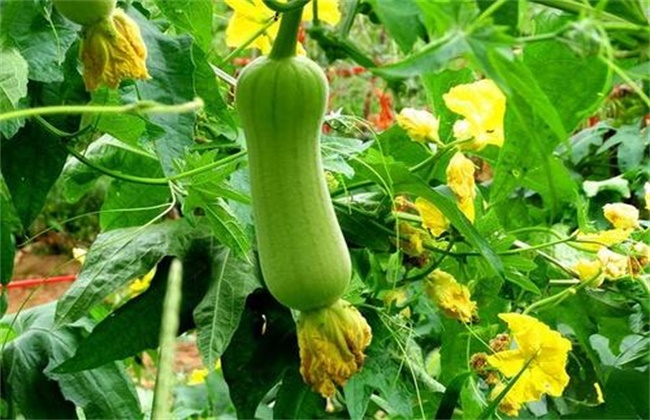
I. Analysis of Symptoms and Causes of Rotten Flowers
1. Along with the rotting of the flower, the style also develops black rot. This may be a disease caused by a deficiency of calcium and boron in the soil, and is also related to poor root absorption capacity and uncoordinated water supply. You can spray a foliar fertilizer containing calcium and boron, and at the same time pay attention to nurturing the roots to enhance root absorption capacity, which can very effectively prevent this phenomenon from occurring.
2. The edges of the petals become dry and withered, showing dry rot, and the entire petal appears stale. This may be a sign of pesticide damage or gummy stem blight. Gummy stem blight occurs more severely under low-light conditions, especially after consecutive cloudy days. You can spray thiophanate-methyl or prochloraz and other chemicals to reduce the occurrence of the disease.
3. Watery rot starts from the edges of the petals, and in severe cases the petals may even drip, accompanied by a tea-colored appearance, but no white mold appears. This phenomenon may be caused by bacterial soft rot, but if white mold grows, it may be caused by flower rot or Phytophthora fruit rot, and the bacteria occur more severely under high temperature and high humidity conditions. You can spray streptomycin, norfloxacin, and phytoalexin and other chemicals to prevent and control soft rot, and spray Kexu, Kejia, Anke, Ridomil and other chemicals to prevent and control flower rot or Phytophthora fruit rot.
II. Prevention and Control Measures
1. Concentration of flower-dipping solution
Flower-dipping solutions are generally based on naphthalene acetic acid (NAA) and 2,4-D, combined with an appropriate amount of nutrient solution and chemicals for controlling gray mold for flower dipping, which can effectively prevent loofah flower rot.
2. Fumigation
Fumigation is also a method for preventing and controlling loofah flower rot. Generally, the peak period of flower rot occurs 3-4 days after flower dipping, and this is also the best time for smoke fumigation control. Procymidone smoke agents and chlorothalonil smoke agents can be used alternately for prevention and control.
3. Preventing pesticide damage
Loofah flowers are delicate, and improper spraying can easily cause pesticide damage. Therefore, when spraying during the flowering period, special attention must be paid to the selection of chemicals, and the spraying concentration must be used according to the instructions. Do not arbitrarily increase the concentration, so as to avoid pesticide damage.
The above is an introduction to the causes of flower rot in greenhouse loofah and prevention and control measures. We hope it can help you. If you want to learn more related knowledge, please stay tuned to us.