How to remediate peanuts after waterlogging damage? Keep these measures in mind
Peanut is one of the important cash crops in China, grown across a very wide area, and during the peanut growing period, the occurrence of waterlogging damage causes peanuts to suffer severe economic losses. So what causes waterlogging damage to peanuts? How should it be remediated? Let's take a look together.
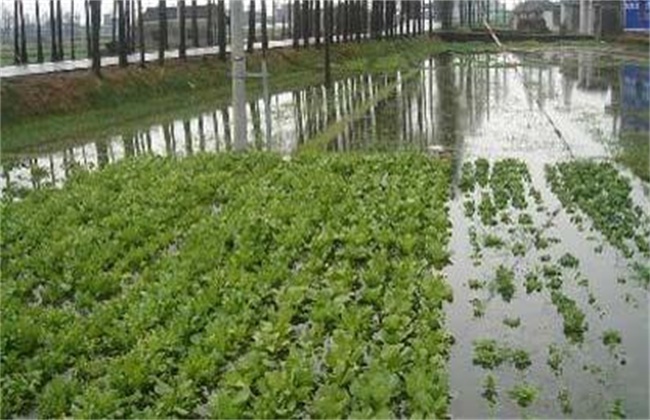
1. Harm of waterlogging damage to peanuts
Peanuts cannot grow without water. During the seedling stage, the suitable relative soil humidity is 50%-60%, and when soil humidity is higher than 90% or water accumulates, the soil lacks oxygen, the respiration and absorption of the peanut root system are inhibited, causing incomplete root development, thin and weak aboveground growth, the formation of leggy seedlings, high flowering node positions, and a low effective pod-setting rate. During the flowering and pegging stage of peanuts, the suitable relative soil humidity is 60%-70%. When humidity is too high, it is not only unfavorable to peanut pod development, but also causes the pod shell to discolor, lowers the oil content, and may even cause pods to become moldy and deteriorated, losing their economic value.
2. Causes of waterlogging damage
The first cause of waterlogging damage to peanuts is low-lying terrain and heavy clay soil, which cannot drain excess water away, causing water accumulation and root drowning; the second is a long rainy period or a season with excessive rainfall, when surface water and groundwater are too deep to be drained away in a short time. Peanuts prefer dry conditions and fear moisture, and waterlogging has a relatively large impact on their growth and development. After waterlogging damage causes premature senescence in peanuts, measures should be taken promptly to reduce disaster losses and preserve yield.
3. Remedial measures
First, drain the accumulated water promptly. According to the water accumulation in the field and the terrain, methods such as mechanical drainage and digging ditches for drainage can be used to find ways to drain the accumulated water from the field and minimize the time water remains in the field. When soil moisture content is too high, the plastic film should be broken promptly to dissipate moisture, so that soil permeability is good, thereby reducing the occurrence of pod rot. After peanuts are flooded, soil nutrients are lost in large amounts, and in addition the root absorption capacity is weakened. At this time, timely topdressing of fertilizer is extremely beneficial for peanut growth recovery and increasing yield. After waterlogging damage, conditions feature high temperature and high humidity, and combined with weak peanut growth and low stress resistance, various diseases and insect pests will occur, so timely investigation and control are needed to prevent the disease from spreading.
The above is an introduction to remedial measures after waterlogging damage to peanuts. We hope it can help you. To learn more related knowledge, please keep following us.