How to prevent and control black rot in broccoli? Detailed control measures
Broccoli is a vegetable with high nutritional value. Because of expanding market demand, its planting area has also increased year by year, but the occurrence of black rot during the planting process seriously affects growers' planting returns. So how should black rot in broccoli be prevented and controlled? Follow the editor and take a look.
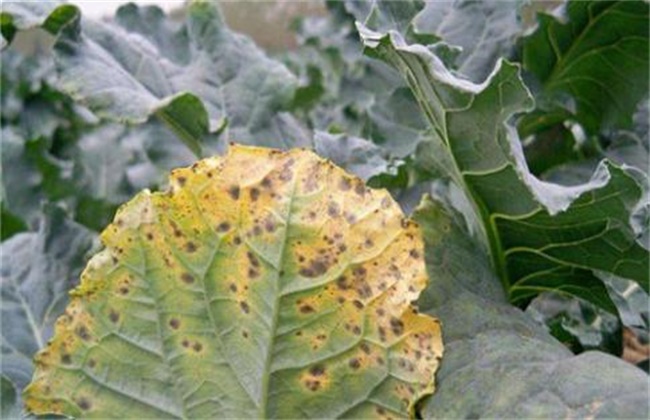
1. Disease symptoms
The disease can occur from the seedling stage to the mature plant stage. When seedlings are affected, the cotyledons become water-soaked, then quickly wither and die or the disease spreads to the true leaves; when mature plants are affected, it mainly harms the leaves, starting first from the leaf margins and then gradually expanding into V-shaped dead spots. The lesions are yellow-brown with pale yellow edges. When the roots are damaged, the vascular bundles turn black, and the interior gradually becomes dry rot until the whole plant wilts and dies. When the stalk is affected, the disease spreads gradually from a single lesion on the surface of the head, and in severe cases it causes the entire curd to turn black and rot.
2. Disease patterns
Black rot is a bacterial disease. The pathogen is mainly spread through diseased plants, fertilizer, wind and rain, and farm tools. Generally, seed-borne bacteria, improper fertilizer and water management, or continuous cropping with cruciferous crops make this disease prone to occur, and a high-temperature, high-humidity environment also favors its occurrence. The growth temperature of the pathogen is 5-39 degrees, and the most suitable temperature is between 25-30 degrees. When the relative humidity is above 95%, it causes dew to form on the leaves, and at this time the pathogen takes the opportunity to invade, causing leaf disease. During greenhouse cultivation, the high-temperature, high-humidity environment inside the greenhouse also makes black rot very likely to occur. When broccoli is forming heads, once water droplets on the greenhouse film drip onto them, black rot is very likely to occur.
3. Control methods
Choose varieties with strong disease resistance and carry out 2-3 years of rotation with non-cruciferous vegetables. Before planting, deep plow and sun the soil, and grow on raised beds. This can both reduce field pathogens and improve water drainage in the field. Adjust the temperature and humidity inside the greenhouse. First, do a good job in seedbed management. When cultivating in early spring, the temperature is relatively low, so attention should be paid to the number and amount of waterings in the seedbed to avoid the occurrence of black rot. When cultivating in other seasons, the seedling-raising temperature is relatively high, especially for winter-crop broccoli, so attention must be paid to cooling. In addition, after transplanting, water generally once every 7-10 days. After budding, more fertilizer and water are needed, so the number and amount of waterings need to be increased, and after each watering, ventilate to lower the temperature and humidity. When diseased black rot plants appear in the field, agricultural streptomycin, streptomycin sulfate, Zhimycin and other agents can be sprayed for control.
The above is an introduction to control measures for black rot in broccoli. We hope it can help you. If you want to learn more related knowledge, please follow us.