What are the precautions for growing Malabar spinach?
When people ask about Malabar spinach at traditional markets, its tender, smooth texture and refreshing taste make it deeply loved by many. It is not only delicious but also rich in nutrients, especially calcium and iron, making it very suitable for elderly people. So what precautions should be taken when growing Malabar spinach? Let's take a look together.
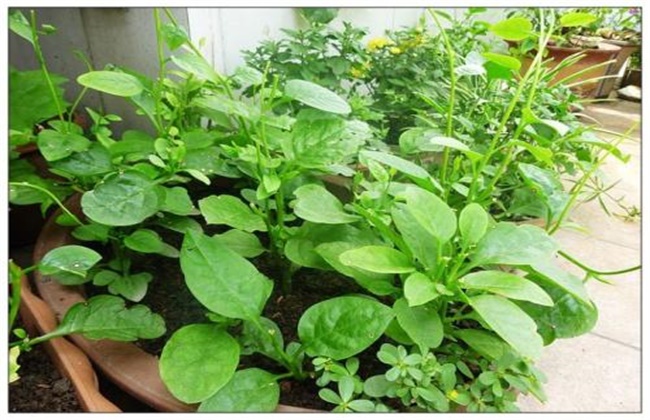
1. Choosing the site
Malabar spinach originated in the tropical regions of Asia. It has strong adaptability and tolerates heat and high temperatures. It generally grows best in loose, fertile sandy soil. Temperature deserves special attention when planting. Its seeds germinate at 25°C, and the suitable growing temperature is around 25-30°C. If the temperature is not high enough, the seeds will struggle to germinate, and later growth will also be affected. Therefore, when planting, consider the local temperature conditions and try to meet its temperature requirements so that it can grow normally. Of course, greenhouse cultivation is also an option.
2. Preparing the soil
After choosing the site, the soil needs to be prepared. Malabar spinach is relatively sensitive to cold and cannot tolerate high-temperature environments, so it can be planted in loose, fertile soil. It still needs a lot of water during growth, so the soil should have good drainage, because it fears waterlogging, and waterlogging is very likely to cause its roots to rot, leading to its death. After plowing, some compound fertilizer can be applied to increase the soil's nutrients and keep the soil loose and airy, allowing Malabar spinach to grow better.
3. Promoting germination
The outer coat of Malabar spinach seeds is relatively hard, so if they are sown directly, germination will be rather difficult. In this case, seed soaking and germination promotion are needed. First, soak the Malabar spinach seeds in water for 3-4 hours so the plant absorbs enough water. After removing them, place them in a cool place to let the excess water dry off. Then place the seeds in a greenhouse at 25°C to promote germination. After about 3-4 days, when the seeds begin to show white, they can be sown.
4. Cultivating and weeding
After the seedlings recover, after trellising, and after each harvest, cultivation and weeding should be carried out once, while also earthing up around the base of the plants. This keeps the soil loose and permeable, ensures strong root growth, and prevents weeds from affecting plant growth. In addition, on the basis of applying enough base fertilizer, fertilizer should be applied multiple times during the growing period, generally with nitrogen fertilizer as the main type and a reasonable combination of phosphorus and potassium fertilizers. Malabar spinach likes a moist environment, so it should be watered frequently to keep the soil moist, but it should not be overwatered.
The above is an introduction to the precautions for growing Malabar spinach. We hope it can help you. To learn more related knowledge, please stay tuned to us.