What causes rotten seed pieces and dead seedlings in yam? Here's how to fix it
During yam cultivation, rotten seed pieces and dead seedlings often occur. This happens because growers lack experience or because planting techniques are not standardised, and when this occurs, yam yields decline year after year. So what causes rotten seed pieces and dead seedlings? Let's take a look together.
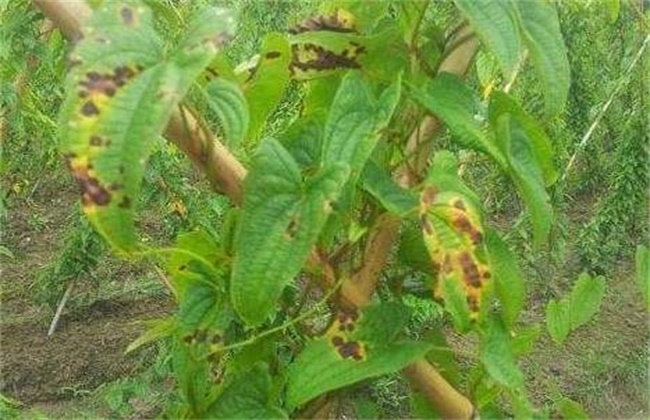
1. Poor quality seed pieces
The quality of yam seed pieces is absolutely the key to uniform, strong seedlings and to high or low yields. Using injured or un-dried seed pieces as seed very easily leads to slow emergence and weak seedlings, and in severe cases also causes rotten seed pieces and dead seedlings. When seed pieces with fresh wounds are planted, the rate of rotten seed pieces and dead seedlings reaches over 50%, so directly planting yam sets that have wounds or have not been fully dried is an important cause of rotten seed pieces and dead seedlings in yam.
Solution: Determine the number of seed pieces to keep according to the yam planting area. When harvesting seed pieces, leave as few wounds as possible. Before planting, dip the wounds in lime powder or carbendazim powder and dry them thoroughly. Store them properly and strictly prevent freezing damage. Sunning the seed not only speeds up wound healing, but also prevents pathogen invasion, promotes the activity of the seed pieces, and causes adventitious buds to sprout and grow into robust young shoots.
2. Low temperature and high humidity
When yam is sown and emerges, there is more rainfall, soil humidity is relatively high, and prolonged low temperature with little sunlight is an important cause of rotten seed pieces and dead seedlings in yam. In addition, the lower the temperature and the greater the rainfall, the more severe the rotten seed pieces and dead seedlings in yam.
Solution: If there is no continuous rainy weather 7-10 days before sowing yam, this is the best sowing period for yam. At the same time, open furrows and form ridges 10 days before sowing, which can raise the soil temperature and reduce the causes of rotten seed pieces and dead seedlings.
3. Sowing too deep
In the survey, among the fields with rotten seed pieces and dead seedlings, fields where the seed was buried too deep accounted for about 65%, indicating that under adverse weather with abundant rain, high humidity, low temperature and little sunlight, sowing too deep is also one of the causes of large-scale rotten seed pieces and dead seedlings.
Solution: Practice has proven that the suitable sowing depth for yam is 8-10 cm. If sown too shallow, when drought occurs and the soil moisture is low at sowing, it is not conducive to germination; but if sown too deep, under low temperature with little sunlight or continuous rainy weather, rotten seed pieces and dead seedlings occur very easily.
4. Variety differences
Different yam varieties differ in the degree of rotten seed pieces and dead seedlings. Among the main cultivated varieties, the rotten seed pieces and dead seedlings of vegetable yam are clearly more serious than those of rice yam, so when choosing a variety to cultivate, be sure to select, according to local conditions, varieties that are not prone to rotten seed pieces and dead seedlings.
The above is an introduction to the causes of rotten seed pieces and dead seedlings in yam and the solutions. We hope it helps you. To learn more related knowledge, please follow us.