What to Do About Cucumber Nutrient Deficiency? Symptom Identification and Control Methods
Cucumbers are grown in every part of China, whether on a large scale or in home gardens, and they are very popular. When growing cucumbers, many problems are often encountered that affect their growth. One of these causes is a lack of trace elements, which leads to nutrient deficiency disorders in cucumbers. So what symptoms does cucumber nutrient deficiency cause? And how should it be controlled? Let's take a look together below!
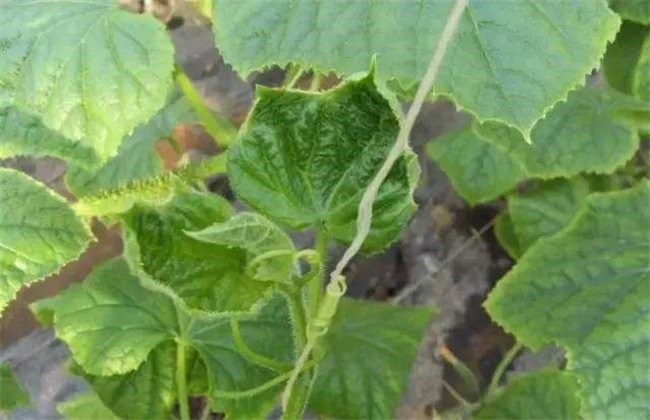
1. Calcium deficiency
Cucumbers have a relatively high demand for calcium during growth. If cucumbers lack calcium, stunting, short internodes and similar phenomena will appear. This is especially common at the growing tip, where the upper leaves of the plant are very small and the edges gradually die back. The leaves gradually form a mushroom shape, drying up from the outside inward. Therefore, when rotating crops and planting cucumbers, we should pay attention to applying an appropriate amount of nitrogen fertilizer. An appropriate amount of calcium nitrate, lime, etc. can be added to organic fertilizer. At the same time, the amounts of potassium fertilizer and nitrogen fertilizer should be well controlled, otherwise they will inhibit the plant's absorption of calcium. When calcium deficiency occurs, foliar fertilizers such as calcium chloride should be sprayed appropriately to supplement calcium in time.
2. Magnesium deficiency
Magnesium deficiency is also one of the main trace element deficiencies in cucumbers. When magnesium deficiency occurs in cucumbers, the mesophyll between the veins of the lower leaves of the plant turns yellow, but the veins themselves are not affected and do not show chlorosis. So the leaves gradually form a netted mosaic pattern, and the leaves feel hard to the touch. Therefore, when applying base fertilizer, we should pay attention to adding an appropriate amount of calcium magnesium phosphate fertilizer, magnesium carbonate and other fertilizers rich in magnesium. The amount of nitrogen fertilizer applied should be well controlled. If magnesium is deficient, then foliar fertilizer containing magnesium should also be sprayed. At the same time, attention should be paid to supplementing potassium fertilizer and zinc fertilizer to promote the absorption of magnesium.
3. Boron deficiency
If a cucumber plant lacks the element boron, the growing point of the plant will gradually die. Flower organ development is hindered, and obvious shortening of the internodes near the growing point can be observed. The leaf edges also gradually turn yellow, and the veins gradually shrink. Therefore, as with magnesium deficiency, when applying potassium fertilizer, we should also pay attention to adding an appropriate amount of borax to avoid boron deficiency in cucumbers. At the same time, when fertilizing, soil testing and formulated fertilization should be the main approach, and soil moisture content should be maintained. When boron deficiency occurs, an appropriate amount of chelated boron can be sprayed on the plant leaves.
4. Zinc and iron deficiency
In addition to the above three, a deficiency of elements such as zinc and iron in cucumber plants can also cause nutrient deficiency disorders. If zinc and iron are lacking, the symptoms are the same, and yellow heads tend to appear. The veins of the top leaves appear yellow-white, and spots sometimes appear as well. To prevent zinc and iron deficiency, when applying base fertilizer, pay attention to the balance between organic fertilizer and chemical fertilizer. Control the ratio of major, secondary and trace elements well, and spray some foliar fertilizers such as boron and calcium appropriately. Then also pay attention to root care work to ensure normal growth of cucumbers.
The above is a brief introduction to cucumber nutrient deficiency symptoms and control. That is all for today's introduction. This article is for reference only, and I hope it can help everyone!