How to grow taro for high yields? Detailed explanation of key planting techniques
Taro is a vegetable that many people enjoy eating in daily life. Its nutritional value and medicinal value are both relatively high. Besides being eaten, it can also be used to make vinegar, brew wine, extract alkaloids, and more, giving it good economic benefits. So how should taro be grown to achieve high yields? Let's take a look together.
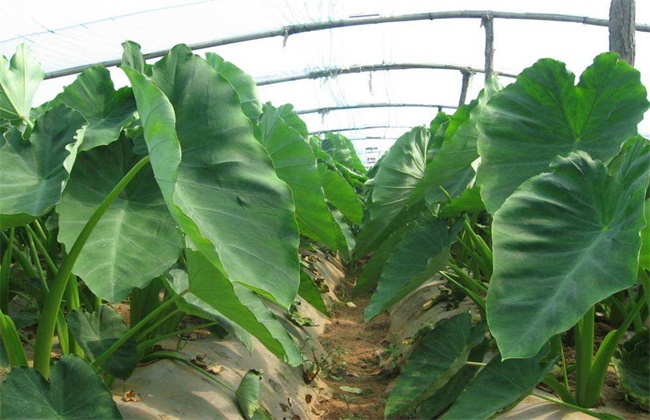
1. Choosing the site
First, you need to choose a suitable planting site. Many people think that taro likes water, so it can grow in water, but this is actually a mistaken idea. Although taro likes water, it cannot stay submerged in water for long periods, and it cannot be planted in continuous cropping. Therefore, when choosing a planting site, you must choose a place with good moisture retention, convenient drainage, and where taro has not been planted in the previous crop. After choosing the planting site, the soil should be deeply plowed and turned, and sufficient base fertilizer should be applied, generally mainly organic fertilizer or compound fertilizer.
2. Sowing and raising seedlings
Before sowing, choose suitable varieties to plant according to local climate conditions. There are many taro varieties, but they can be broadly divided into water taro and dry taro, so seeds should be selected according to the local environment. Generally, spring is the best time to sow taro, but in some areas where spring temperatures rise slowly, sowing can be appropriately delayed, though it should not be later than Qingming Festival at the latest. When sowing, you can choose to cover with plastic film or not. The amount of seed used for taro sowing is relatively large compared with other vegetables, generally requiring about 200 kg of seed per mu. When sowing, use the trenching method. The row spacing of each trench is generally about 50 cm, and the distance between each taro should not be too close, otherwise it is not conducive to the development and growth of the taro.
3. Fertilizer and water management
Taro is tolerant of waterlogging but not drought, so drip irrigation can be used when watering taro. When ground cover and drip irrigation are combined, drip irrigation can dissolve all the fertilizers needed for taro growth and development in water and deliver them precisely to the taro's root zone. When choosing fertilizers, nitrogen fertilizer and potassium fertilizer can be selected, because they have a relatively large impact on taro yield and quality. Generally, about 90 days after emergence, taro's absorption of nitrogen reaches its peak, and about 110 days after emergence, its absorption of phosphorus and potassium reaches its peak. Therefore, during these two periods, fertilizers should be applied in time according to its needs to improve yield and quality.
4. Field management
Summer rainfall is relatively abundant, so attention should also be paid to weeding. During management, attention should also be paid to the prevention and control of pests and diseases, and once discovered, they should be controlled promptly. There are many rainstorm weather events in summer, so after rain, check the conditions in time, and do a good job of drainage and dehumidification to avoid outbreaks of diseases.
The above is an introduction to how to grow taro for high yields. I hope it can help you. If you want to learn more related knowledge, please stay tuned to us.