Detailed explanation of the key points of early spring edamame seedling cultivation techniques
If greenhouses are used for edamame cultivation now, it can basically be grown all year round. Therefore, in spring some people begin to plant early spring edamame, and early spring edamame cultivation is generally mainly based on seedling raising and transplanting. This is very beneficial to the early growth of edamame and can effectively increase yield. So how should we raise seedlings when planting early spring edamame? Today the editor has brought you the seedling cultivation techniques for early spring edamame. Let's take a look below!
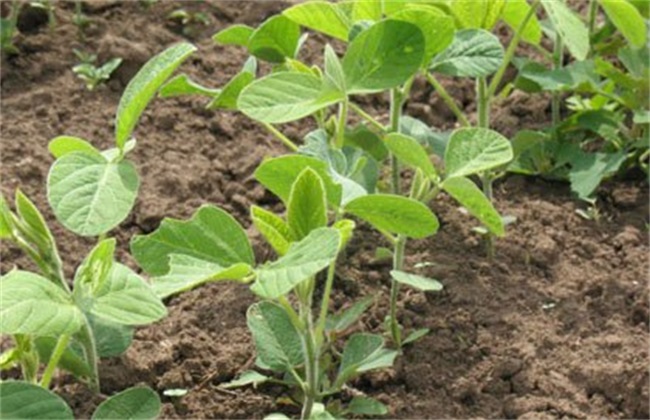
1. Seed selection and land selection
To plant early spring edamame, you first need to select good varieties, mainly large, plump seeds, delicious taste and many pods, to ensure the yield and quality of edamame, so as to improve commodity value and planting benefits. Then you should select a good planting plot. The planting plot should mainly be soil that is sheltered from the wind, has sufficient light, loose soil texture and normal drainage and irrigation. Do not choose clay loam, otherwise it is prone to water accumulation and seed rot. Then do a good job of land preparation, deep plowing it finely and raking it level. At the same time, both seeds and soil should be disinfected to avoid harm from pathogens and the occurrence of diseases.
2. Sowing and seedling cultivation
Early spring edamame can generally be sown twice, and the first sowing can usually be carried out around the Awakening of Insects solar term. The sowing method is mainly broadcasting, and generally about 3 kg can be sown on a bed surface of about 3.5 m. After sowing, cover with a layer of fine soil. If the soil is too dry, then water appropriately and soak the soil thoroughly. Then cover with some rice straw to improve the soil's heat and moisture retention and prevent soil hardening that may cause seed rot and dead seedlings. After covering the seeds, also use bamboo poles to make an arch frame, then cover the arch frame with a layer of film, and press the edges of the film tightly with soil.
3. Timely transplanting
The field for transplanting edamame should be chosen in a sunny place. When half of the seedlings in the seedbed have grown two true leaves, they can be transplanted. It is best to do this after rain. Before transplanting, the planting field also needs good land preparation, deep plowing it finely. Then dig trenches, keeping the trench width at about 15 cm and the row spacing at about 30 cm. Then keep the plant spacing at 25 cm and transplant one or two rows of seedlings on both sides of the trench. When transplanting, also apply an appropriate amount of phosphate fertilizer, plant ash or farmyard manure as base fertilizer.
4. Strengthen management
After transplanting, management should be strengthened, and work such as intertillage weeding, fertilizing and pest control should be done well. When the seedlings grow to 25 cm, carry out intertillage weeding, preferably before rain. During intertillage, an appropriate amount of urea should also be applied per mu according to the seedling condition as a seedling-promoting fertilizer. At the same time, pest and disease control should be done well according to the actual situation of the seedlings, mainly focusing on pests and diseases. Common ones include aphids, pod borers and so on. Pesticides should be applied uniformly and used in a concentrated way to avoid pesticide damage, which would instead affect seedling growth.
The above is a brief introduction to the seedling cultivation techniques for early spring edamame. That is all for today's introduction. This article is for reference only and I hope it can help everyone!