Detailed Explanation of Key Management Techniques During the Flowering Period of Hyacinth Beans
Hyacinth beans are a relatively popular legume vegetable in our daily lives. They are grown across a very wide area in China, and management is very important when growing hyacinth beans. The management methods differ depending on the growth stage of the hyacinth bean. Therefore, we need to reasonably adjust the management methods according to the growth stage of the hyacinth bean. So how should they be managed during the flowering period? Below, the editor will give everyone a brief introduction. Let's take a look together!
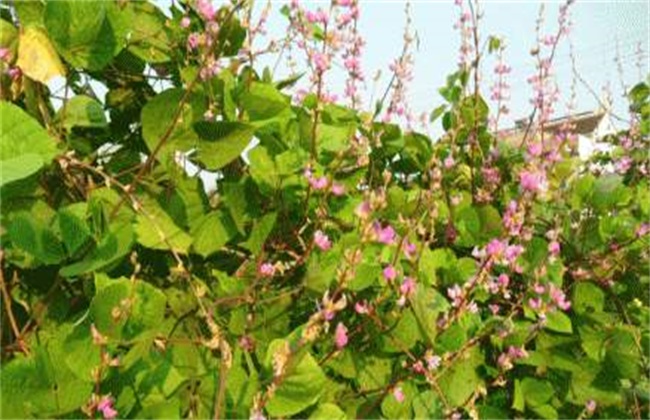
1. Temperature Management
The temperature during the flowering period of hyacinth beans is the first thing we need to pay close attention to. At this time, a suitable temperature must be maintained to avoid excessively high or low temperatures. During the flowering and pod-setting period of hyacinth beans, the suitable temperature is generally around 18-25 degrees, and it is best to keep it at around 20 degrees. If it goes beyond the range of 16-27, it will have a great impact on the flowering and pod setting of hyacinth beans, and flower and pod drop is likely to occur. If it exceeds 32 degrees, it will also cause great harm to the quality of the tender pods. Therefore, when the temperature is too high, it should be cooled down in time, and when it is too low, good insulation work should be done.
2. Water and Fertilizer Management
During the early flowering period and fruit setting of hyacinth beans, water and fertilizer should be well controlled, and it is best not to water or fertilize. Wait until the flower clusters have set pods, then begin water and fertilizer work. If cultivated with plastic film mulching, dark water should be poured under the film. Apply quick-acting fertilizer with irrigation water, among which nitrogen fertilizer should be mainly nitrate nitrogen, and ammonia nitrogen should not be used, otherwise it will inhibit plant growth. Therefore, when topdressing flower and pod fertilizer, more urea, human manure and urine, and other fertilizers should be applied. Then, water management measures should also be reasonably adjusted according to the position of the flower clusters setting pods.
When the lower flower clusters are setting pods, water and fertilize about once every half a month, mainly with compound fertilizer or farmyard manure. When the middle flower clusters are setting pods, water and fertilize generally once every 10 days. The fertilizer should be mainly urea. Then, during the flowering and pod-setting period of the upper flower clusters and when the side branches set pods, it is also generally once about every 10 days. After the middle and late pod-setting stages, the field ventilation and light penetration should be improved, and old yellow leaves on the plants should be removed. Then thin out overly dense leaves and some tender shoots that sprout too late.
3. Timely Harvesting
After hyacinth beans enter the flowering period, they can basically be harvested after a period of time. The best time to harvest the pods should be about half a month after flowering, because at this time the pods are the longest and heaviest. It is also the time when the quality for use as a vegetable is the best. Generally, there are about 9 flower buds on one flower cluster, while only about 4 will flower and set pods. Therefore, when harvesting, we should pay attention to protecting these flower buds. When the first crop of pods is picked, these flower buds will begin to speed up their development and carry out the second crop of pod setting.
The above is a brief introduction to how to manage hyacinth beans during the flowering period. That is all for today's introduction. This article is for reference only, and we hope it can help everyone!