What are the main reasons for low broad bean yields?
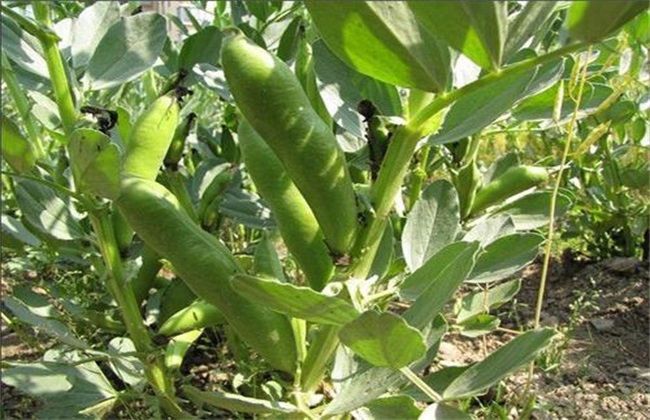
Broad bean, also called fava bean in some regions, is a fairly common legume vegetable. It can also be used as grain, feed, and green manure, and is welcomed by many people. When growing broad beans, the thing everyone cares about most is certainly the yield. But sometimes the broad bean yield is not very ideal, so what causes low broad bean yields? Today I will give you a brief introduction, let's take a look below!
1. Climate
Climate is a main reason for low broad bean yields. Especially during the flowering and podding stage of broad beans, if the weather is relatively harsh and encounters rainy days, then the flowers and pods of broad beans will drop flowers and pods due to wind and rain. Moreover, even if the flowers do not drop, the pollen may rupture due to rain washing and may also burst from absorbing too much water. This directly affects the pollination of broad beans, leading to reduced yields. Therefore, we should pay attention to good management, and it is best to grow them in a greenhouse to avoid the effects of bad weather.
2. Water
Although broad beans have a certain demand for water during growth, we must pay attention to controlling the amount of watering. If too much watering causes waterlogging in the soil, or if drainage is not done in time after rain and soil moisture becomes too high, then the permeability of the soil will be reduced, the roots of broad beans will have difficulty breathing, and root rot may also occur. They cannot normally absorb and transport nutrients and water, and broad bean plants cannot grow normally under long-term nutrient and water deficiency, and in severe cases may die, so the yield will naturally decline.
3. Nutrition
Nutrition is certainly an indispensable substance in the growth of broad beans. When growing broad beans, we should not only apply sufficient base fertilizer, but also do a good job of topdressing according to the growth condition of broad beans. This meets the nutritional needs of broad bean growth. If broad beans lack nutrition during growth, the impact on their growth is very great. Especially when lacking basic elements such as nitrogen, phosphorus, and potassium, as well as trace elements such as boron, it will lead to reduced broad bean yields. But also note that too much fertilizer should not be applied, especially nitrogen fertilizer. Too much nitrogen fertilizer easily causes flower and pod drop, excessive vegetative growth, and so on, leading to reduced yields.
4. Pests and diseases
Pests and diseases are also a main reason for low broad bean yields. Common pests and diseases in broad bean growth include rust, red blight, and aphids. These pests and diseases all harm the growth of broad bean plants to varying degrees, causing broad beans to drop flowers and pods. This seriously affects the yield, so when growing them, we must pay attention to the prevention and control of pests and diseases. Strengthen management, control fertilizer and water well, disinfect regularly, eliminate pests and pathogens in the field, ensure normal growth of broad beans, reduce the harm of pests and diseases, and thereby increase the yield.
The above is a brief introduction to the reasons for broad bean yields. That is all for today's introduction. This article is for reference only, and I hope it can help everyone!