How to manage vegetables before and after transplanting in early spring? All the key points are here
In early spring, temperatures are relatively low. Transplanting vegetables at the right time not only helps the vegetables recover from transplanting, but also helps increase the plants' cold resistance. However, management before and after transplanting is also extremely important. So how should vegetables be managed before and after transplanting? Let's take a look together.
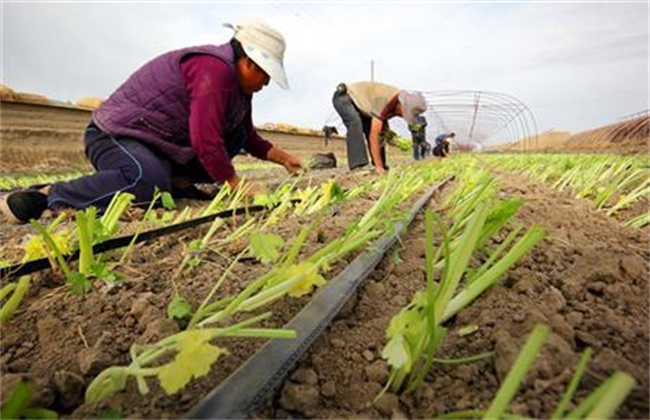
1. Low-temperature hardening of seedlings
Low-temperature hardening of seedlings can significantly increase the cold tolerance of vegetable seedlings and help them recover after transplanting. Low-temperature hardening is generally carried out 7-10 days before transplanting. The hardening period must not be too long, otherwise it will cause freezing damage to the seedlings. The temperature of the seedling bed should be kept at around 15-20 degrees during the day, and lowered to 8-12 degrees at night, so as to improve the cold resistance of the seedlings. During low-temperature hardening, the temperature of the seedling bed must not be too low, otherwise it will seriously affect the normal physiological function of the root system, and is very likely to cause aging and stiff seedlings.
2. Cover the shed in advance
In order for the seedlings to recover as quickly as possible after transplanting, the greenhouse needs to reach a suitable temperature. This is especially true for fruiting vegetables such as tomatoes, eggplants, and cucumbers, which have relatively high requirements for soil temperature and air temperature. The soil temperature at a depth of 5-10 cm is required to reach above 15 degrees, and the minimum air temperature must not be lower than 10 degrees. Only in this way can their normal growth be ensured. Therefore, 7-10 days before transplanting the seedlings, plastic film should be used to cover the spray area and seal the greenhouse to increase the soil temperature.
3. Transplant at the right time
Although temperatures are rising in early spring, the temperature is unstable, and adverse weather such as late spring cold spells, strong winds and cooling, and frosts can easily occur. Therefore, before transplanting vegetable seedlings, be sure to pay attention to the weather forecast. It should be required that there is no cooling or rainy, snowy weather within 5-7 days, as this is beneficial for the vegetables to recover after transplanting. If there will be adverse low-temperature weather in the coming days, transplanting should be delayed to avoid this period.
4. Strengthen heat preservation
After the seedlings are transplanted, heat preservation must be strengthened to promote their recovery. Within 3-5 days after transplanting, the greenhouse should be kept sealed without ventilation, and the greenhouse temperature should be appropriately raised to speed up recovery. The temperature should be maintained at 28-30 degrees, and at night it should also be kept above 20 degrees. When strong winds and cooling occur, additional insulation materials should be added at night to avoid excessive heat loss at night, which would cause the greenhouse temperature to drop too quickly. In addition, laying straw or stalks between the rows can not only increase the soil temperature, but also reduce the humidity in the greenhouse and promote healthy seedling growth.
The above is an introduction to the key management points for vegetables before and after transplanting in early spring. We hope it can help you. If you want to learn more related knowledge, please follow us.