How to Manage Peppers in Greenhouses in Winter? Key Technical Points Explained in Detail
The planting area of peppers in China is very large, because current cultivation techniques are becoming more and more mature. So peppers can basically be grown all year round now. When growing peppers in winter, greenhouse cultivation is mainly used. And when growing peppers in greenhouses in winter, we need to do a good job of management. So how should peppers in winter greenhouses be managed? Today the editor will give you a brief introduction, let's take a look below!
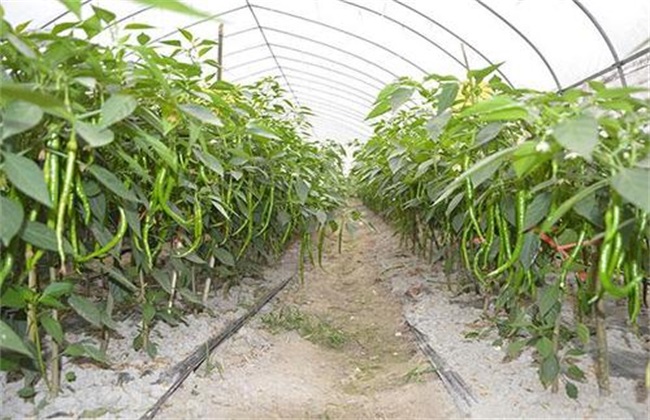
1. Temperature and humidity management
When growing peppers in greenhouses in winter, the first management point is to pay attention to controlling temperature and humidity well. Because in winter the temperature is very low, and the soil temperature is not high either. Pepper plants grow weakly and are prone to excessive vegetative growth and slow growth at the growing points. This affects flower bud differentiation, leads to deformed fruits, and the fruit-setting rate also declines as a result. Therefore we should pay attention to raising the temperature, keeping the daytime temperature at around 30 degrees and controlling the nighttime temperature at around 15 degrees. Then we should also pay attention to the humidity inside the greenhouse. During high-temperature periods, ventilate as much as possible to reduce humidity, avoid excessively high temperature inside the greenhouse, and adjust the watering interval well.
2. Cultivation management
Pepper cultivation in winter counts as off-season cultivation, so the cultivation management of winter peppers is very important. In particular, pay attention to the additional application of foliar fertilizer, in order to promote flower bud growth and improve plumpness and the fruit-setting rate. Foliar fertilizer should be sprayed appropriately. For foliar fertilizer, plant growth rejuvenation agents, phosphorus-potassium power and other substances can be mixed and sprayed, about once a week, for about three sprays. Compound fertilizers and other fertilizers should also be applied reasonably according to plant growth, and fruit thinning should be done well. Deformed fruits, overly dense fruits, rotten fruits, etc. should all be thinned and picked in time to avoid the phenomenon of plant collapse from excessive fruit load.
3. Fertilizer and water management
Although the temperature in winter is low, we still need to pay attention to doing a good job of watering. However, watering should be done on sunny days, mainly by small-drop drip irrigation, and not too much water should be applied, to avoid cold damage. If it is not a sunny day, then it is best not to water, to avoid some unnecessary losses. Then fertilization work is also indispensable. Watering and fertilizing in winter generally mainly aim to nourish the roots. Therefore we should pay attention to controlling the amount of fertilizer according to the growth of the peppers and the fruit-setting rate, and high-potassium fertilizer should not be used, to avoid fertilizer damage.
4. Disease prevention
Because the temperature in winter is very low, greenhouses are basically kept fairly sealed, and there will not be a very long ventilation time each day. Humidity inside the greenhouse tends to increase, so various diseases are very likely to appear. Therefore we should pay attention to doing a good job of disease prevention and control, mainly focusing on prevention. In addition to doing a good job of ventilation during high temperatures, we should also pay attention to reducing humidity. Watering should mainly be small-drop drip irrigation, and do not water frequently over a long period. And prevention should be combined with medication. Common diseases include gray mold, cotton blight, etc. Everyone must pay close attention.
The above is a brief introduction to how to manage peppers in greenhouses in winter. That is all for today's introduction. This article is for reference only, and I hope it can help everyone!