How to manage loofah during the full fruit-bearing period? Master these technical key points
Loofah is a very popular vegetable in our daily lives. Its planting area in our country is also very large. When growing loofah, we need to adjust management methods appropriately according to its growth stages, especially during the full fruit-bearing period. If managed improperly, it will have a great impact on loofah yield. So how should it be managed during the full fruit-bearing period? Let's take a look together below!
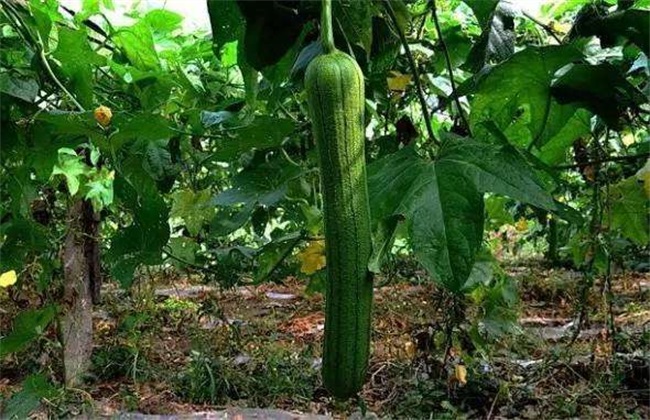
1. Trellising and vine hanging
When growing loofah in a greenhouse, we should maintain good ventilation in the greenhouse. At the same time, pay attention to temperature. If the temperature is too high, it can easily cause loofah fruit abortion. After the Start of Autumn, the temperature gradually drops, and the growth rate of loofah vines and fruit strips also accelerates. This period is also when loofah vegetative growth and reproductive growth are equally important. Therefore, we should pay attention to doing a good job of trellising, providing sufficient space for branches and vines to extend, avoiding overlapping vines, improving trellis ventilation, promoting female flower differentiation, and increasing fruit setting rate and the commercial value of loofah.
2. Water and fertilizer management
After loofah enters the full fruit-bearing period, its demand for water and fertilizer increases. Usually it should be watered about once every three days, and watering should avoid noon and be done in the morning and evening. Then when watering, appropriate topdressing should be applied; at this time, the topdressing is fruit-promoting fertilizer. The fertilizer should mainly be decomposed peanut cake, soybean cake and other fertilizers, and the topdressing method should mainly be deep application in furrows. At the same time, an appropriate amount of compound fertilizer can be used, such as urea, phosphate fertilizer, potassium sulfate, etc. Then the amount of topdressing should be controlled according to the growth of loofah and the amount of base fertilizer applied, and the principle of small amounts applied more frequently should be followed.
3. Removing flowers and tendrils
Loofah is a cross-pollinated crop. The flowering period of male inflorescences is generally about one month, and at this time they consume a great deal of nutrients. Therefore, we should pay attention to thinning out excess inflorescences as early as possible. When female flower buds appear, it is enough to retain about 20% of male flowers and remove excess male inflorescences. Tendrils have the effect of climbing and securing branches and vines during loofah growth. However, from emergence to vine removal, tendrils need to consume relatively many nutrients, which is very unfavorable for fruit setting. Therefore, in the early stage of loofah growth, we should mainly remove tendrils while tying vines. After the branches and vines are evenly distributed and fixed on the trellis, the tendrils can simply be removed during vine training.
4. Pest and disease control
There are still many pests and diseases during the full fruit-bearing period of loofah, so we should also pay attention to pest and disease control during the full fruit-bearing period. Common pests and diseases include phytophthora blight, downy mildew, aphids, etc. These pests and diseases cause great harm to all parts of loofah, thereby affecting loofah yield and fruit strip quality. Therefore, we should disinfect regularly and reasonably use agents such as mancozeb and ridomil to ensure normal loofah growth and increase loofah yield.
The above is a brief introduction to how to manage loofah during the full fruit-bearing period. That is all for today's introduction. This article is for reference only, and I hope it can help everyone!