How to Grow Pumpkins to Increase Yield
Pumpkin is a very common gourd vegetable in our daily lives. It is widely planted in our country, and there is a large market demand for pumpkins. When growing pumpkins, yield is a matter everyone cares about greatly, because it is directly related to growing returns. So when we plant them, how can we increase pumpkin yield? Today the editor will give you a brief introduction, so let's take a look below!
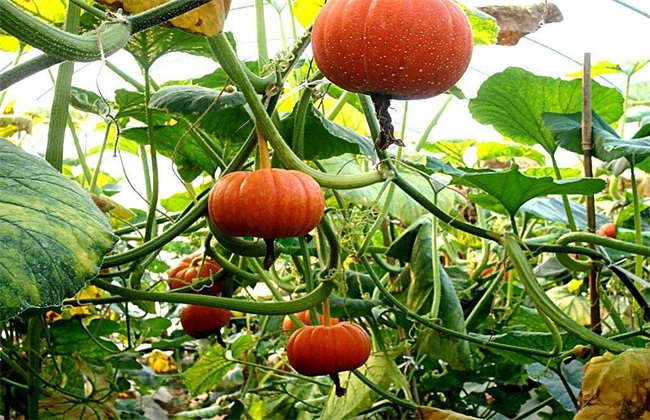
1. Variety selection
Variety has a very large relationship with pumpkin yield. If you want to increase pumpkin yield, then an excellent variety is essential. An excellent pumpkin variety should have good heat tolerance and disease resistance. If these two points are done well, then high pumpkin yield is very simple. However, we should also pay attention to the taste of the pumpkin. If you want the pumpkin to taste good, then choose one that is sweet, mealy, and relatively firm in texture. Ensuring the sugar and starch content in this way can effectively improve the commercial value of the pumpkin.
2. Soil and fertilizer
Soil is very important for the growth of pumpkins. If the soil pH is not controlled properly, it will have a great impact on pumpkin growth. In particular, pay attention to the content of trace elements in the soil. If the soil nutrients are insufficient and trace elements are lacking, then we should apply fertilizer in time to supplement nutrients and improve soil fertility. Therefore, before planting pumpkins, we should apply sufficient base fertilizer to the soil. And during cultivation, we should also do a good job of topdressing according to the actual growth of the pumpkins, ensuring that the growth nutrients of the pumpkins are met and increasing pumpkin yield.
3. Climate and environment
When growing pumpkins, we should also control the climate and environment well according to the growth habits of pumpkins. Pumpkin is a short-day crop and is suitable for growing at a temperature of around 26 degrees. The temperature should not exceed 35 degrees at most. If it exceeds that, it will cause obvious obstacles to pumpkin growth. It can easily cause pumpkins to stop growing and trigger various diseases. Therefore, during the pumpkin growth period, we should pay attention to controlling the temperature well. According to the different growth stages of pumpkins and weather changes, adjust the temperature in time to avoid affecting pumpkin yield.
4. Water control
Water control is also a very key management measure in growing pumpkins. Pumpkins have a relatively large demand for water during growth. Many people, when growing pumpkins, although they water frequently, do not strictly control the amount of watering. If too little water is given, causing insufficient soil moisture content, then it will have a great impact on pumpkin growth, thereby causing a reduction in yield. However, watering should not be excessive either. Water accumulation in the soil can easily cause root rot in pumpkin plants, block the absorption of nutrients and water by the pumpkins, affect pumpkin growth, and reduce yield. Therefore, the soil for growing pumpkins should be kept in a moist state, mainly alternating between dry and wet, to ensure normal pumpkin growth.
The above is a brief introduction to how to increase pumpkin yield. That is all for today's introduction. This article is for reference only, and we hope it can help everyone!