Key technical points and management methods for early spring pumpkin seedling raising
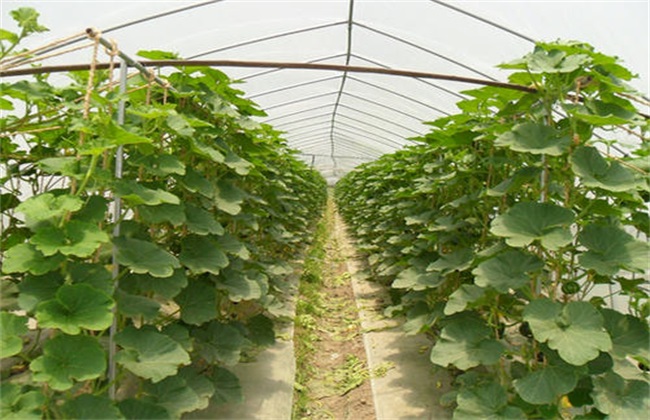
Pumpkin is a very popular vegetable in China, and its planting area is also very large. Pumpkin has strong cold and low-temperature tolerance, so in early spring we can plant it in greenhouses to advance its market time and increase planting benefits through off-season sales. So how should early spring pumpkin seedlings be raised? Today the editor brings you the seedling raising techniques for early spring pumpkin. Let's take a look below!
1. Variety selection
When raising seedlings in early spring, the first thing is to choose good planting varieties. Because planting pumpkin in early spring is mainly to advance the market time of pumpkin, the primary requirement for the pumpkin variety is early maturity. It is necessary to ensure that its root system is well developed, its growth is strong, and its low-temperature tolerance is good. An excellent variety is very critical to the success of early spring pumpkin seedling raising, so everyone must pay more attention when choosing, to ensure the success of pumpkin seedling raising and improve planting benefits.
2. Seed soaking and germination
Before sowing, we also need to soak the seeds and promote germination. First put the seeds in 80-100 degree hot water for about 5 seconds, then immediately put them into cold water to cool down to about 30 degrees, then stir for 30 minutes. Then put them in clean water to soak for about 10 hours, then take the seeds out and dry them for about two hours. After the seed surface is dry, promote germination; during germination the temperature should be kept at about 30 degrees. When most of the seeds have sprouted, they can be sown. Usually the seed amount per mu should be kept at about 200g.
3. Timely sowing
The seedling raising site for early spring pumpkin is generally in a greenhouse or a sunny seedbed. The usual sowing time is in February-March, when the germination rate of pumpkin seeds is the highest. For seedling raising, seedling trays are generally the main method, but before sowing, the seedling trays and medium should also be disinfected. Use carbendazim powder for mixing and disinfection, then spray water on the seedling trays so that the water content is kept at about 70%. When filling the medium, be careful to leave a certain space at the cup mouth, and sow one seed per seedling tray cell. After sowing, cover with an appropriate amount of vermiculite, and cover the seedling trays tightly with plastic film.
4. Seedling stage management
The management work after sowing is also very important. After sowing, the temperature should be controlled at about 26-28 degrees, the nighttime temperature at about 18 degrees, and a day-night temperature difference of 10 degrees should be maintained. When about 60% of the seeds begin to push through the soil, the plastic film should be removed in time. Then lower the daytime temperature to 22-24 degrees and the nighttime temperature to about 13-14 degrees. Avoid excessively high temperatures causing seedling legginess and affecting pumpkin growth. When the young seedlings' heart leaves grow to about 2cm, do the thinning and transplanting work well, and raise the temperature appropriately by about 3 degrees.
The above is a brief introduction to early spring pumpkin seedling raising techniques. That is all for today's introduction. This article is for reference only, and I hope it can help everyone!