What are the precautions for growing zucchini in greenhouses in early spring
Zucchini is a very common fruit vegetable in our daily life. It is distributed throughout China, and its market demand is also very large. Therefore, zucchini is now also grown out of season in greenhouses, and when growing zucchini in greenhouses in early spring when temperatures are relatively low, there are many points that require our attention. So what exactly are they? Let's take a look together below at the precautions for growing zucchini in greenhouses in early spring!
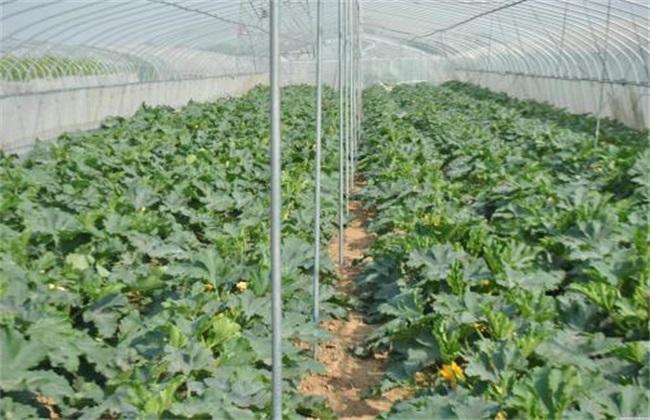
1. Hanging and lowering vines
When growing zucchini in greenhouses, the planting density of zucchini is relatively high, and the growth cycle is also relatively long. Therefore, in order to ensure that the plants can receive light evenly and to facilitate pollination and pesticide spraying, we should pay attention to hanging the vines in early spring so that the stems and vines of the zucchini can grow upright. When hanging the vines, you can first stretch an iron wire along each row, then use string to connect each melon vine to the iron wire, with the upper end of the string tied to the iron wire and the lower end connected to the base of the stem. As the zucchini vines grow, the string and the vines will become intertwined with each other.
2. Reasonable flower thinning
In order to ensure a balanced growth relationship between vines and fruits, we should also pay attention to flower thinning. Remove some female flowers, retain enough male flowers for pollination, and wipe off the excess ones. When necessary, fruit thinning should also be done to avoid excessive nutrient consumption. Female flowers should be removed when they first appear, and the number removed should be controlled according to the plant's growth vigor. If the growth vigor is weak, then the root melon can be removed first, and then one female flower should be retained every three nodes. If the growth vigor is strong, then the root melon can be retained, but care should be taken to harvest it in time, and one female flower should be retained every two nodes. Then control the number of melons retained according to the growth vigor of the vines.
3. Removal of sprouts and renewal
At present, most zucchini is grown mainly from grafted seedlings, and after grafting, zucchini is very prone to producing sprouts. So at this time we should remove the sprouts in time to prevent the sprouts from growing large and competing for the zucchini's nutrients, affecting its normal development. When cultivating in greenhouses, the growth cycle of zucchini is relatively long, and in the later stage the zucchini plants will gradually age. Therefore, if the main vine ages or grows poorly, then you can choose to retain about two side vines, and when female flowers appear, cut off the main vine to renew the plant and promote fruit setting on the side vines.
4. Timely leaf removal
When zucchini enters the middle and late stages of growth, there are generally a large number of leaves on the lower part of the plant. This causes very poor air circulation in the lower part of the plant and easily leads to various diseases and pests. Therefore, we should remove the leaves on the lower part of the zucchini plant in time to provide air circulation and also reduce nutrient consumption. However, it should be noted that the leaf stalks of zucchini have a relatively high water content and are both thick and brittle. When removing leaves, wounds are likely to appear on the stem, so care should be taken when removing leaves to avoid infection by pathogens.
The above is a brief introduction to the precautions for growing zucchini in greenhouses in early spring. That is all for today's introduction. This article is for reference only. Thank you for reading and supporting us.