How to prevent and control anthracnose in water spinach? A detailed guide to practical methods
During the cultivation of water spinach from seed, anthracnose is often encountered. This disease mainly damages the leaves and stems of water spinach, and affected seedlings may die, seriously reducing yield. So how should anthracnose in water spinach be prevented and controlled? Let's take a look together.
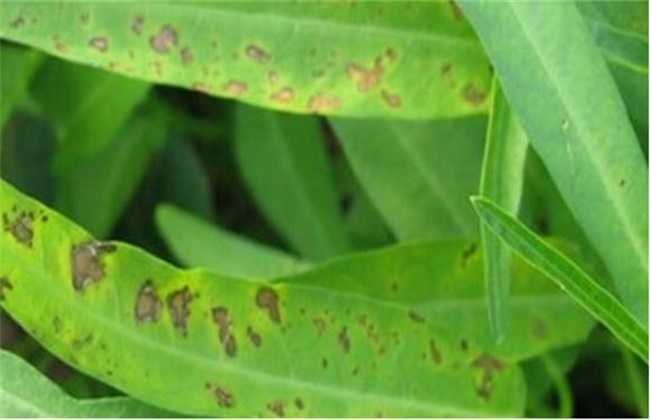
1. Damage symptoms
The pathogen of water spinach anthracnose overwinters on diseased tissue as mycelium and conidia. The pathogen spreads through rain splash, and after the initial infection it continues to produce conidia, causing further spread and infection. It mainly damages the leaves and stems of water spinach. When seedlings are affected, it can cause seedling death. When the disease occurs, the lesions on the leaves are nearly round and dark brown, with faint concentric rings and densely packed small black dots on the lesions. The lesions expand and merge, causing the leaves to turn yellow and wither. The lesions on the stems are nearly oval and slightly sunken.
2. Causes of the disease
There are many causes of anthracnose in water spinach. First, seeds carrying the pathogen, inadequately decomposed fertilizer, and organic fertilizer containing the pathogen can all easily cause the disease. Excessive planting density, poor air permeability, and excessive application of nitrogen fertilizer can also reduce the disease resistance of the plants, making them prone to the disease. Planting in low-lying, waterlogged plots with poor drainage and moist soil also makes the disease very likely to occur. A high-temperature, high-humidity environment and insufficient light during cultivation also make the disease very likely to occur. It is prone to occur in early spring when it is warm and rainy, or in summer after continuous overcast and rainy days followed by sudden clearing and a rapid rise in temperature; in greenhouse cultivation, failing to ventilate and remove moisture in time in order to keep warm can also cause excessive humidity and lead to the disease.
3. Preventive measures
To prevent this disease, it is best to rotate with non-cruciferous crops, among which rice-upland crop rotation is the best. During cultivation, high-ridge cultivation is recommended, and fields with convenient irrigation and drainage should be selected. Drainage ditches should be opened well to lower the groundwater level so that there is no standing water after rainfall. In addition, clearing the ditches after heavy rain to reduce humidity is also an important measure for disease prevention. When using fertilizer, do not use pathogen-carrying fertilizer. Organic fertilizer must not contain diseased plant residues and must be fully decomposed before application. An appropriate increase in phosphorus and potassium fertilizer can improve disease resistance, strengthen field management, and cultivate strong seedlings.
4. Chemical control
In the early stage of the disease, spray carbendazim at 800-1000 times dilution or thiram powder at 600-800 times dilution, once every 10 days, for 2-3 consecutive sprays. Note that spraying should be stopped one week before harvest to avoid pesticide residues that could harm human health.
The above introduction to the prevention and control methods for water spinach anthracnose is hoped to be helpful to you. To learn more related knowledge, please stay tuned to us.