Why Do Leafy Vegetables Turn Yellow? Causes and Control Methods
In our daily lives there are quite a few varieties of leafy vegetables, but during their cultivation we often encounter the phenomenon of leaves turning yellow, which seriously affects farmers' economic returns. So what causes yellow leaves in leafy vegetables? How should they be controlled? Follow the editor to take a look.
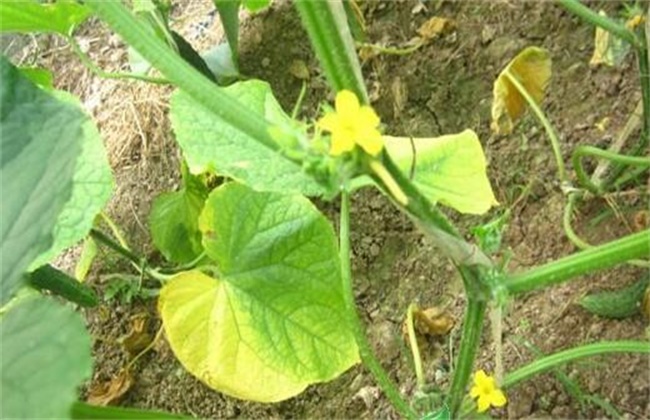
I. Yellow leaves in leafy vegetables
1. Water-induced yellowing. This kind of yellowing is actually caused by excessive or too frequent watering during cultivation. The characteristic of water-induced yellowing is that the old leaves show no obvious change, but the young leaves turn yellow.
2. Fertilizer-induced yellowing. As the name suggests, fertilizer-induced yellowing is caused by too frequent fertilization or too high a fertilizer concentration. Its characteristic is that the young leaves are relatively thick and fleshy, glossy, and uneven in surface.
3. Drought-induced yellowing. Drought-induced yellowing is caused by a lack of water. Its characteristic is that the old leaves turn yellow first, from top to bottom. If watering is not done in time, it can also cause the whole plant to turn yellow and wither, and even lead to plant death.
4. Starvation-induced yellowing. Completely opposite to fertilizer-induced yellowing, it is caused by too little fertilization. If the fertilizer concentration is too low and the interval between fertilizations is too long, this situation can also occur. Its characteristic is that the young leaves and tender stems turn yellow first. If fertilization is not done in time, it can also cause the death of the whole plant.
II. Control techniques
1. Thin flowers and fruits
After the temperature rises, vegetables grow faster, and at this time the nutrients absorbed by the root system are limited and cannot meet the needs of plant growth and development, so yellow leaves appear. At this time, the plant's consumption of nutrients should be reduced in time, and the most effective method is to thin flowers and fruits and promptly remove the lower old leaves to meet the vegetables' nutritional needs.
2. Spray foliar fertilizer
In addition, when root absorption cannot meet the plant's consumption, the method of fertilizing outside the roots can be adopted to supplement nutrients, and foliar fertilizer is effective. Try to apply foliar fertilizers containing humic acid, amino acids, and boron, magnesium, zinc, etc., which can regulate crop growth, promote the leaves to recover as soon as possible, and enhance the plant's vigor.
3. Choose suitable root-nourishing fertilizers
Many fertilizers on the market can promote plant rooting. Although they regulate crop growth, promote the leaves to recover as soon as possible, and enhance the plant's vigor rapidly, the survival rate is low, and they are very likely to die under adverse environments. In addition, root growth and development will also compete for nutrients, which instead aggravates the yellow leaf phenomenon. Therefore, when choosing root-promoting products, choose ones that can both promote roots and rooting, improve the root system's own resistance to adverse environments, and also ensure sufficient nutrients such as nitrogen, phosphorus, and potassium.
4. Temperature control
In spring, the outside temperature rises quickly, so attention should be paid to regulating the temperature inside the greenhouse to avoid too rapid a temperature rise and avoid the occurrence of acute wilting. Generally, the temperature should not exceed 28-30 degrees; when the temperature is too high, ventilate in time to cool it down.
The above is an introduction to the causes of yellow leaves in leafy vegetables and control methods. I hope it can help you. If you want to learn more related knowledge, please follow us.