Analysis of the Causes of Root Rot in Welsh Onions and Control Methods
We are all certainly familiar with Welsh onions. In recent years their price has been stable and their yield relatively high, so the growing returns are quite good. However, during cultivation, root rot often occurs to some degree. So what causes root rot in Welsh onions? How should it be controlled? Let's take a look together.
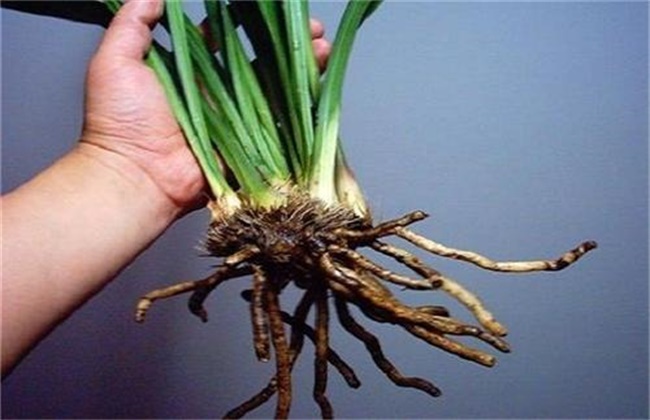
I. Causes of Root Rot in Welsh Onions
There are many causes of root rot in Welsh onions. Improper use of herbicides can cause phytotoxicity, restricting the growth of Welsh onions, yellowing and drying of the leaves, and rotting of the roots. With continuous cropping on the same land year after year, there are more pathogens in the soil, and serious disease is unavoidable, very easily causing root rot and dead plants in Welsh onions. When soil moisture is high, permeability decreases, the roots cannot breathe normally, and the plant's stress resistance declines; over time, the roots can suffocate and die, causing root rot. In addition to disease damage, damage from underground pests can also cause root rot. For example, root maggots bite and feed on the roots of Welsh onions, giving pathogens an opportunity to invade, which also causes root rot.
II. Control Methods
1. Scientific Planting
When planting seedlings, first make the planting holes, and keep the seedlings upright when planting; they must not be planted at a slant. Also pay attention to planting depth: it must not be too deep or too shallow, otherwise not only will development be slower, but the roots will also be unable to breathe well. In addition, use north-south ridges when planting, as this is more conducive to Welsh onions receiving more and more even sunlight.
2. Apply Sufficient Fertilizer
Fertilizer determines the overall growth of Welsh onions. If fertilizer is insufficient, the plant's stress resistance and disease resistance are weak, and it is very easily invaded by pathogens. Fertilization should be based mainly on thoroughly decomposed organic fertilizer, supplemented by chemical fertilizer, with rational use of nitrogen fertilizer and increased application of phosphorus and potassium fertilizer. On the basis of applying sufficient base fertilizer, topdress reasonably, especially during the vigorous growth period of the pseudostem, which is the most critical period for Welsh onion yield.
3. Reasonable Watering
Watering Welsh onions should be done flexibly according to weather conditions, soil moisture conditions and cultivation conditions. In summer and autumn, when temperatures are higher, watering at this time is mainly to promote root development. Except in abnormally dry weather, reduce the amount of watering as much as possible, and also do a good job of drainage after rain to avoid waterlogging and root damage.
4. Cultivation and Earthing Up
During the growing period of Welsh onions, 3-4 rounds of cultivation and earthing up are needed. This can break up soil compaction, increase soil permeability, allow good root growth and development, and also prevent bending and lodging. In addition, weeds can be removed together with cultivation and earthing up. Use chemical herbicides as little as possible; even if they are used, choose highly effective and low-toxicity ones.
5. Pest and Disease Control
Pest and disease control for Welsh onions must be done carefully. Before planting, disinfect and sterilize the soil by deep ploughing and spreading quicklime to reduce the pest and disease base. When pests or diseases occur, apply the right treatment promptly to avoid expanding losses.
The above is an introduction to the causes of root rot in Welsh onions and control methods. We hope it helps you. To learn more related knowledge, please follow us.