Detailed Explanation of Purple Chinese Cabbage Planting Methods and Technical Points
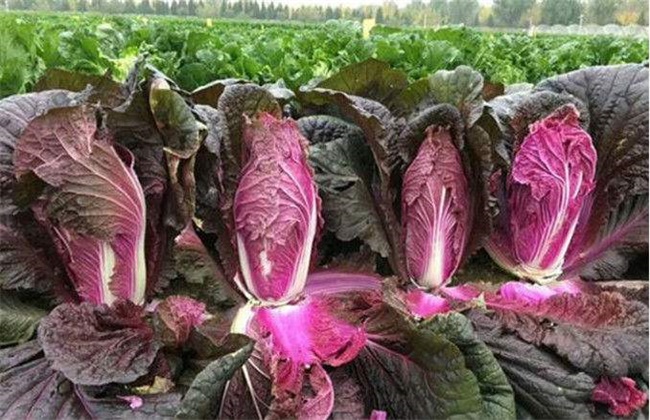
Chinese cabbage is a common vegetable in our daily lives, but have you ever seen purple Chinese cabbage? Purple Chinese cabbage has a very fancy name called "Purple Heir." It first became popular in South Korea, and in our country, it has only started being grown in the past two years. It is actually a hybrid variety of Chinese cabbage and cabbage. Because it is relatively new, many people have started growing it now. So how do you grow purple Chinese cabbage? Let's take a look together.
1. Sowing and Seedling Raising
Purple Chinese cabbage is grown in the same way as regular Chinese cabbage, generally using two methods: direct sowing and seedling transplanting. However, its seeds are much more expensive than Chinese cabbage seeds, so when planting, in order to control costs and improve the germination rate, the seedling transplanting method is generally chosen. During seedling raising, sufficient light must be maintained. When the seedlings grow 3-4 true leaves, a 0.3% urea solution can be sprayed and irrigated, which helps the seedlings grow faster and cultivates strong seedlings.
2. Transplanting
One day before transplanting, water the seedling bed thoroughly to make the soil moist. The purpose of this is to avoid damaging the roots when lifting the seedlings for transplanting. Transplanting is generally carried out at noon the next day. During transplanting, in addition to being careful not to damage the root system, each seedling must also be carried with a soil ball 6-8 cm in diameter, which can prevent damage to the root crown. After transplanting, water once again the next day, which helps the seedlings recover and allows them to grow quickly. After that, water once every 5-7 days, but note that watering should be stopped two weeks before transplanting.
3. Field Management
After transplanting, when the soil surface is slightly dry, earth up and turn the soil in time to prevent the soil from compacting and affecting root development. When weeds appear in the plot, combine watering and fertilizing with earthing up and weeding, carrying this out 4-5 times throughout the entire growth period. Generally, during the growth and development period of purple Chinese cabbage, fertilizer must be applied 2 times. The first time is 10-15 days after transplanting, applying 15-20 kg of potassium sulfate compound fertilizer per mu along with irrigation. The second time is at the rosette stage, applying 25-30 kg of potassium sulfate compound fertilizer per mu along with earthing up and irrigation.
4. Pest and Disease Control
During the cultivation of purple Chinese cabbage, viral diseases and downy mildew must be prevented, and common pests include aphids, cabbage caterpillars, and diamondback moths. Farmer friends must pay attention when planting, and once discovered, chemical control should be carried out promptly.
The above is an introduction to how to grow purple Chinese cabbage. We hope it can help you. If you want to learn more related knowledge, please follow us.