What to Do About Dead Seedlings in Greenhouse Vegetables? Detailed Solutions
During greenhouse vegetable cultivation, dead seedlings and dead plants are unavoidable. Some are caused by pests and diseases, and some by improper management. But no matter the cause, if not controlled in time, they can spread through the entire greenhouse and cause large-scale seedling death. So how should you deal with dead seedlings in greenhouse vegetables? Let's take a look.
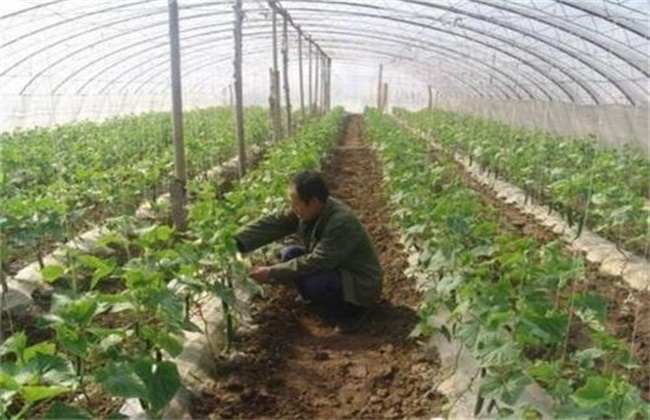
1. Soil improvement
The main cause of dead vegetable seedlings is still soil-related problems. Soil compaction and low organic matter content both affect the growth and development of the root system, and in severe cases can cause seedling death. Therefore, pay attention to soil improvement and maintenance to create a good growing environment for the roots, so as to avoid dead seedlings at the root. So it is recommended that when changing crops or applying base fertilizer, use more organic fertilizer and microbial fertilizer, apply bacterial fertilizer at planting, and during the growing period apply more commercial organic fertilizer or microbial bacterial fertilizer by drenching.
2. Chemical root drenching
When vegetables are planted, some underground pests such as wireworms and white grubs like to feed on the roots of seedlings, causing the aboveground plants to wither and die; in addition, several diseases that vegetable seedlings are prone to can also cause seedling death. So for pests and diseases that harm seedling roots, in addition to targeted control, for plants that have not yet developed the disease you can use 68% metalaxyl-M · mancozeb + 72% streptomycin for root drenching, or kasugamycin + copper hydroxide + thiophanate-methyl + azoxystrobin. At the same time, to avoid root damage, you can add a rooting agent to the chemical during root drenching, which can nourish the roots and improve root resistance.
3. Control watering
After dead seedlings occur, do not water immediately. After disinfecting the planting holes and drenching with chemicals, you can spray the ground thoroughly with chemicals such as hymexazol to reduce the number of pathogens in the surface soil and also reduce the possibility of pathogens spreading with water. Although both chemical root drenching and soil disinfection can kill pathogens, they also kill beneficial bacteria at the same time, so after chemical treatment, replenish biological bacterial agents in time. This is because microbial bacterial agents can not only increase the number of beneficial bacteria in the soil, but also inhibit the reproduction of pathogens. They have an excellent effect on promoting root growth and improving root stress resistance, thereby reducing the possibility of roots being re-infected by pathogens. However, when using the two, it is best to leave an interval of about 10 days so as not to affect the results.
The above is an introduction to solutions for dead seedlings in greenhouse vegetables. We hope it helps you. To learn more related knowledge, please follow us.