What causes pumpkin fruit abortion
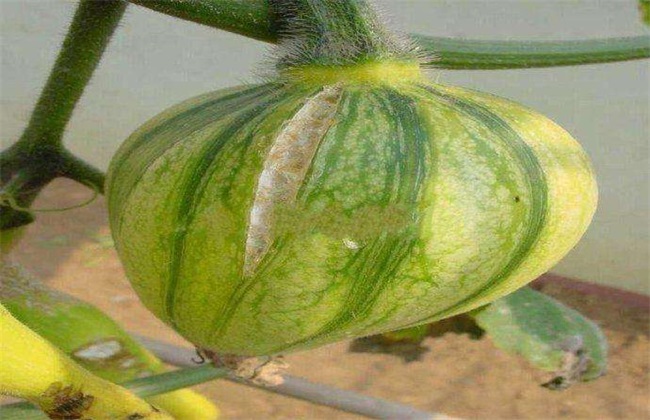
When growing pumpkins, pumpkin fruit abortion often occurs, and both the yield and quality of the pumpkins are greatly affected. Pumpkin fruit abortion is a physiological disorder, mainly referring to young pumpkins stopping their growth after reaching a certain stage, followed by the dropping of flowers and buds. So what is going on with pumpkin fruit abortion? Today the editor will give you a brief introduction, so let us take a look below!
1. Unsuitable temperature during the flowering period
Temperature is very important for pumpkin pollination and fruit set. During the flowering period of pumpkins, if the temperature exceeds 31°C, the pumpkin's floral organs will be unable to develop normally due to the rise in temperature. The function of the pollen grains in the floral organs will also continuously decline, and if it reaches a stable 40°C, then pollen grain germination and pollen tube elongation will be noticeably inhibited, the pollen grains are extremely likely to die, making fertilization impossible and leading to fruit drop. However, temperatures that are too low are also no good. If during the pumpkin ovary development and flowering period the temperature is below 15°C, then deformed pumpkins, hollow pumpkins and the like are likely to appear, and the seeds will also be reduced as a result.
2. Rainy and cloudy weather during the flowering period
During the pumpkin flowering period, if there is prolonged rainy and cloudy weather, it is very unfavorable for pumpkin pollination and fertilization. This is because in rainy and cloudy weather there is insufficient light, pumpkin photosynthesis is hindered, and flower and bud drop is very likely to occur. In particular, if the plants are in rainy and cloudy weather for a long time, it is even harder for them to set fruit. This is because in rainy and cloudy weather, the development of the pumpkin's ovary and floral organs is affected. Moreover, if the stigma of the female flower is washed by rain, the pollen will be washed away, or the pollen will rupture and be unable to germinate, making pollination difficult to complete and causing fruit abortion.
3. Growth imbalance
When growing pumpkins, a balance must be maintained between vegetative growth and reproductive growth. If the pruning and vine training of pumpkins is handled improperly, causing the pumpkin vines and leaves to be excessive, competing with each other for growing space, and making the field's air permeability too poor, this will cause excessive vegetative growth of the pumpkins, reduce the pumpkin's vigor, and thereby lead to poor pollination and fertilization of the pumpkins, triggering vine drop and fruit abortion in pumpkins. Therefore, we must pay attention to doing the pruning work well, cutting off overly dense and excessive branches and leaves, and in addition control the planting density well; do not plant too densely.
4. Unsuitable fertilizer and water
Pumpkins have a very large demand for fertilizer and water during their growth process. And when we manage fertilizer and water, if the management is improper, it will cause an imbalance in the plant's nutrient ratio, and the stems and leaves will also show excessive vegetative growth as a result, thereby causing pumpkin fruit abortion. In particular, when fertilizing, if too much nitrogen fertilizer is applied and the proportion of phosphorus and potassium fertilizer is small, then it is extremely easy to cause excessive vegetative growth of the plant, produce various diseases such as anthracnose, and reduce the pumpkin fruit-setting rate.
The above is a brief introduction to what is going on with pumpkin fruit abortion. That is all for today's introduction. This article is for reference only, and I hope it can help everyone!