What causes low spring wheat yields?
Wheat cultivation is very common in China, and wheat is suited to growing in relatively cool places. It is divided into spring wheat and winter wheat, and the area planted with spring wheat is relatively large. When growing spring wheat, yield is a problem everyone cares about a lot. However, many people's spring wheat yields are not very ideal. So what causes low spring wheat yields? Below, the editor will give you a brief introduction. Let's take a look!
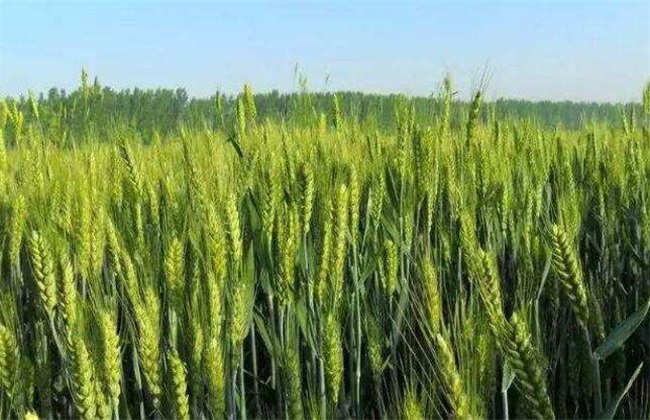
1. Spring temperatures rise quickly
Under temperature conditions of 5-20°C, spring wheat needs about 1-3 weeks to complete vernalization development. However, if in spring the temperature rises quickly and the average temperature is above 20°C, then the development of wheat during the vernalization stage will be hindered. This leads to insufficient tillering, and the quality is not very good either, and the number of wheat ears will also decrease. This causes insufficient secondary roots, poorer development, shallow distribution, and weakened ability to absorb fertilizer and water. Spring wheat is also prone to drought stress, and in the later growth stage it is prone to fertilizer loss and premature senescence, naturally causing wheat yield to decline.
2. Climatic reasons
When growing spring wheat, after entering May-June, it is generally the booting and grain-filling period of spring wheat. If it encounters a climate environment of high temperature, drought, and wind, then the hot dry wind environment will cause premature senescence in wheat. If the temperature is too high, it will strengthen wheat respiration and cause excessive consumption of nutrients. This inhibits the absorption and transport of substances in the wheat plant, thereby causing problems such as small wheat ears and light grains, leading to lower spring wheat yields and affecting planting benefits.
3. Insufficient fertilizer and water
During the growth of spring wheat, many people have the problem of insufficient farmyard manure or even no application of farmyard manure. When applying base fertilizer, they also directly spread it all onto the soil, and then do not topdress again in the middle and later stages of wheat growth. This leads to insufficient soil organic matter content, poor fertility, and a short period of fertilizer effectiveness, making fertilizer loss very likely to occur. This causes premature senescence in wheat, small ears, and low yields. Moreover, spring wheat is also a water-loving crop. During the growth period, it generally needs to be watered about 5 times. If there is a water shortage, then the lack of water and fertilizer will seriously affect wheat growth, thus forming weak seedlings, causing small ears and few grains, and reducing yield.
4. Light reasons
Light is also a main factor leading to low spring wheat yields. When growing wheat, if the permeability is poor, it will affect wheat growth and prevent spring wheat from carrying out photosynthesis normally. This causes low photosynthetic intensity, and most of the nutrients produced by photosynthesis will be consumed by the wheat's vegetative growth. There are too few nutrients in the reproductive organs, causing a long development period and slow growth of the reproductive organs, thereby causing yield to decline.
The above is a brief introduction to the reasons for low spring wheat yields. That is all for today's introduction. This article is for reference only, and I hope it can help everyone!