Key Techniques for Winter Field Management of Garlic
Garlic is one of the most common side vegetables in our daily life, mostly used for seasoning and enhancing aroma. It is quite popular and is planted over a fairly wide area in China. After winter arrives, temperatures are lower, and the cultivation and management methods change accordingly. So how should garlic be managed in winter? Let's take a look together.
1. Timely film breaking
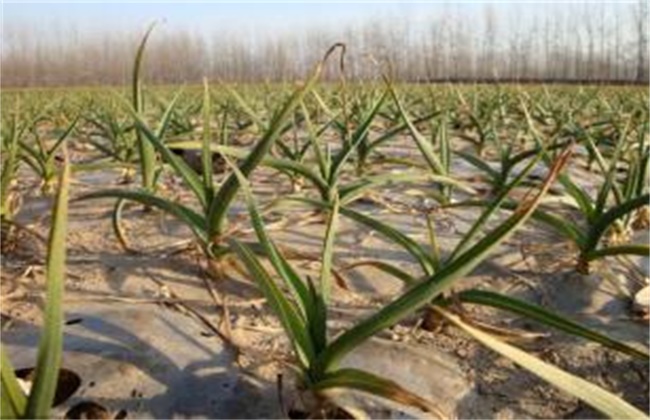
Winter temperatures are low, so garlic cannot be grown normally in the open field. Only by increasing the use of plastic film mulching for sowing can it be done, and germination and seedling emergence occur one week after sowing. Most seedlings can push through the plastic film. However, to help all seedlings successfully break through the film, manual film breaking should be done promptly when the garlic emerges, so as to avoid damage to the stems from seedlings taking too long to break through the film, which would affect later growth. For film breaking, simply poke a small hole at each seedling hole. Note that when breaking the film, the ground must not be damaged, otherwise the plastic film will lose its effect. Then check at regular times every day to prevent any seedlings that have not broken through the film from dying.
2. Clearing ditches and loosening soil
The humidity in the garlic field should not be too high; it is enough to keep garlic within a suitable range. Too much water in the field can very easily cause garlic root rot, lead to pests and diseases, and reduce yield. Therefore, when garlic overwinters, the water ditches in the garlic field must be cleared in time and the soil loosened, so as to prevent water accumulation in the soil from affecting garlic growth. At the same time, this can also improve soil structure, raise soil temperature, and promote garlic root growth. When clearing the water ditches, make sure every ditch is connected to the others, so as to prevent water accumulation and root rot.
3. Fertilizer and water management
Garlic requires relatively large amounts of nutrients for growth and development, so winter fertilization is also quite important. When seedlings grow to 3 true leaves, topdressing can be carried out. If nutrients are insufficient, garlic can very easily show yellow leaves and premature aging. Appropriate topdressing half a month after sowing can meet the needs of garlic growth. Garlic likes water; if it lacks water, its tips will dry and leaves will turn yellow, and in severe cases it can die. However, when watering, small drip irrigation is preferable, and flood irrigation must be avoided, so as to prevent root rot from excessive water. Therefore, after rain, drainage work should be done well, and watering should be carried out appropriately according to garlic growth conditions.
4. Stress resistance and health care
Winter temperatures are low, and garlic growth and development will more or less be threatened. Therefore, to ensure that garlic overwinters safely, appropriate stress-resistance agents should be sprayed after seedling emergence to improve garlic's resistance and enhance stress tolerance, so that garlic can overwinter safely. Improving garlic's stress resistance is extremely important, as it directly affects garlic's later growth vigor. If stress resistance is poor, its growth will also be affected to a certain extent, causing yield decline, quality reduction, and harm to plant benefits.
The above is an introduction to winter field management techniques for garlic. I hope it can help you. To learn more related knowledge, please stay tuned to us.