What causes wheat to have heads but no grains
Wheat is a very important food crop in China, and in many regions of China the staple food is also mainly wheat. Therefore, there are still a great many people growing wheat now. When we grow wheat, many people find that wheat often shows the phenomenon of having heads but no grains, which seriously affects wheat yield. So what are the causes of wheat having heads but no grains? Today the editor will briefly introduce this to everyone. Let's take a look below!
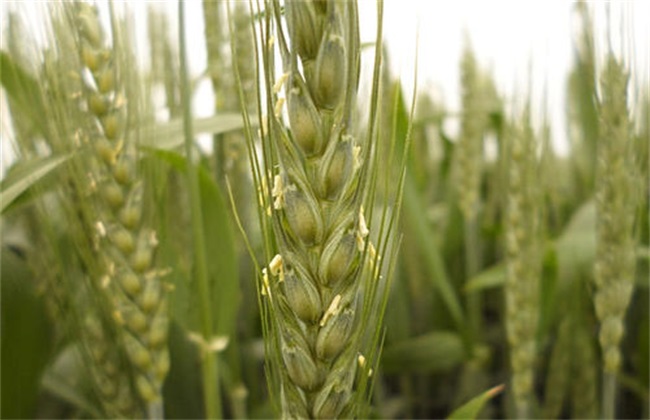
1. Freeze damage at the booting stage
After wheat passes the jointing stage, its cold resistance gradually declines. Generally, about 5 days after jointing, it will suffer freeze damage at around minus two degrees, and as time goes on, its cold resistance continues to weaken. And in spring during March to April, late spring cold spells are also prone to occur, so young seedlings that have already jointed are extremely susceptible to freeze damage. If the young wheat ears suffer freeze damage, it will affect heading; some after heading have missing appearance or even cannot head at all. Moreover, some spikelets and grains also do not develop to maturity, thus resulting in seedless phenomenon, though this generally only appears on a single stem.
2. Unsuitable climate during the flowering stage
When wheat plants form grains, it is generally about 10 days after wheat flowering and fertilization. At this time, the size and number of wheat ears have generally already been determined before heading. The number of grains per ear and grain weight are directly affected by environmental conditions. When wheat is flowering and pollinating, the temperature should be kept at around 20 degrees. If it is continuously rainy and the temperature is below 10 degrees, the flowering period of wheat will be delayed. This results in shriveled grains and diseases, among other things. At the same time, if the temperature is above 35 degrees and the soil is dry, the seed-setting rate of wheat will be reduced. And if there is continuous rainfall, the wheat pollen grains will absorb water and swell, the pollen cannot fertilize and becomes abortive, thus resulting in the phenomenon of having heads but no grains.
3. Human causes
Wheat having heads but no grains is mostly caused by human factors. Many farmers are accustomed to spraying pesticide at noon during the full flowering stage of wheat, causing all sprayed plants to have no grains. Or it may be caused by excessive pesticide spraying. When applying pesticide during the wheat flowering stage, if the dosage is not strictly followed, the pesticide liquid concentration becomes too high, causing excessive local application, damaging wheat pollen, leading to pollen abortion, and thus forming the seedless phenomenon. Therefore, everyone must pay attention to doing management work well, control the dosage and timing, and avoid human factors causing wheat to have heads but no grains.
4. Improper use of herbicides
Improper use of herbicides is also a main cause of wheat having heads but no grains. When using herbicides in wheat fields, they should be used before wheat jointing, otherwise wheat is prone to herbicide damage. For example, when using herbicides such as MCPA, if used too late, wheat ears are prone to deformity, and in severe cases cannot head. Furthermore, if dicamba is used too late, especially if used during the male and female differentiation of young wheat ears, it will affect the development of florets, causing the differentiation of wheat stamens and pistils to be blocked, thereby affecting the phenomenon of having heads but no grains and causing severe wheat yield reduction.
The above is a brief introduction to what causes wheat to have heads but no grains. That is all for today's introduction. This article is for reference only, and I hope it can help everyone!