What are the factors affecting high wheat yields?
Wheat is grown on a very large area in China. So the wheat market is now fairly competitive, and when growing wheat, everyone wants to increase wheat yields as much as possible in order to improve growing returns. But achieving high wheat yields is not that easy. That is because there are also many factors affecting high wheat yields, so what exactly are the factors that affect wheat yield? Let's take a look together below!
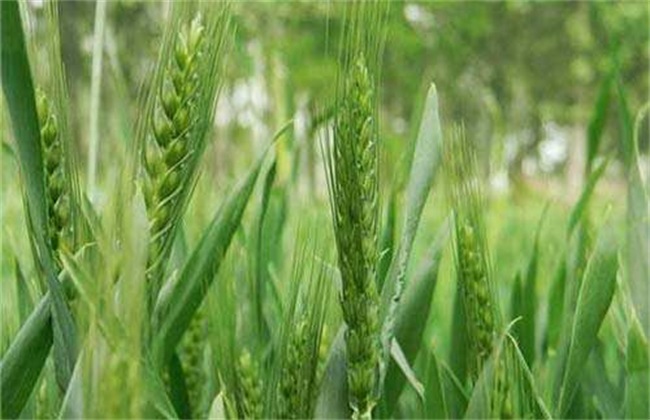
1. Soil factors
Soil is the primary factor affecting high wheat yields. Soil depth, fertility, water content and so on are all closely linked to wheat yield. Wheat grows best in active soil with a relatively deep soil layer, with the plow layer kept at a depth of about 25 cm. If the soil layer is too shallow, then the wheat will not be able to obtain sufficient water and nutrients as it grows. In addition, we also need to keep the soil at a suitable degree of looseness, neither too loose nor too compact. If it is too loose, the soil holds heat and water poorly, while if it is too compact, permeability is poor, and this will affect nutrient availability and the activity of microorganisms in the soil, affect root growth, and reduce wheat yield.
2. Fertilization factors
Many people, when growing wheat, blindly apply nitrogen fertilizer in order to increase yield. If too much nitrogen fertilizer is applied, then the proportion of phosphorus and potassium fertilizers and organic fertilizers will relatively decline. Wheat is then very prone to excessive vegetative growth, field permeability is poor, and the wheat plants are also very prone to producing large numbers of ineffective tillers, which delays the time of polarization, makes the basal internodes of the plants too long, and makes the wheat plants very prone to lodging, leading to reduced yield. It also leads to neglect of the application of trace elements; if wheat lacks trace elements, it tends to grow poorly, thus reducing yield.
3. Sowing factors
The sowing rate and time of wheat are also major factors affecting high wheat yields. If wheat is sown too densely, it will lead to increased tillering, an excessively large wheat population, and competition among plants for light and nutrients. This causes some wheat plants to grow excessively while others grow thin and weak, seriously affecting yield. And if sowing is too early, then it will advance the emergence time of the wheat, speed up growth, and also produce many tillers. A phenomenon of excessive seedlings appears before winter, thus causing the wheat to run out of fertilizer and senesce early in the middle and late stages of growth, affecting the growth of individual plants.
4. Climate factors
Wheat is a crop that likes to grow in a cool environment with sufficient light, and it is a long-day crop. If the temperature is too high in early winter, then the growth period of the wheat will be shortened. And if the temperature is too high in the early stage of wheat growth, it will shorten the tillering stage of the wheat and its ear-bearing rate. If there is high temperature and high humidity in the later stage, it will affect the grain filling of the wheat and produce various diseases and insect pests. Furthermore, if there is too much rainy weather, the soil will be soft, the light duration will become shorter, and the wheat stems will also grow very thin and weak. If windy weather occurs, the wheat is very prone to lodging, and yield will be affected as a result.
The above is a brief introduction to the factors affecting high wheat yields. That is all for today's introduction. This article is for reference only, and I hope it can help everyone!