What causes abnormal corn grain filling?
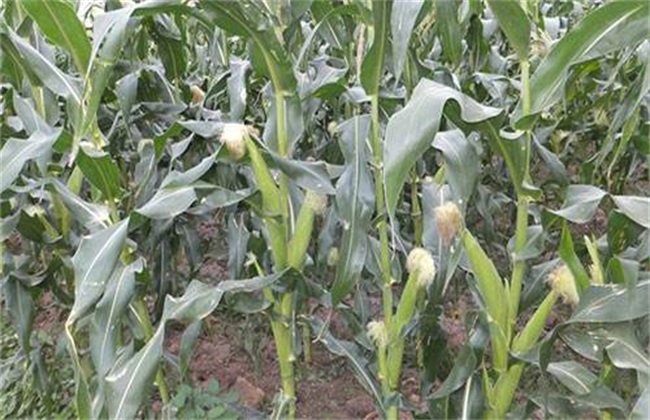
As one of the most important food crops in China, corn is grown in most parts of the country. When growing corn, many problems are inevitably encountered, and the most common among them are bare tips on the ears and missing kernels, both of which are abnormal grain filling phenomena that seriously affect corn yield and reduce growing profits. So what is the reason for abnormal corn grain filling? Today, the editor will give you a brief introduction. Let's take a look below!
1. Variety reasons
Abnormal corn grain filling may be caused by variety reasons. This is because many corn varieties are inherently prone to abnormal grain filling, mainly due to genetic factors present in the seeds themselves. This is congenital abnormal grain filling, such as the degeneration of hybrid traits and metabolic disorders, or the congenital vascular tissue in the seed being blocked, making it unable to transport nutrients to the ear in time. As a result, the ear lacks sufficient nutrients and cannot fill and set grain normally, leading to various abnormal grain filling phenomena such as bare tips and missing kernels on the ear.
2. Fertilizer and water reasons
When sowing corn, if the soil moisture is too poor, it will affect the germination and emergence of corn seeds. This leads to uneven emergence of corn seedlings, with large seedlings seizing the growth nutrients of small seedlings, and the small seedlings therefore show phenomena such as shriveled kernels, bare tips and empty stalks. And if fertilizer and water are lacking during the female ear differentiation stage, it will affect the photosynthesis of corn, leading to insufficient accumulation of organic matter and affecting ear development. In addition, if nitrogen fertilizer is applied excessively while potassium fertilizer is neglected, it will cause excessive vegetative growth of the plant, consume too many nutrients, and also easily lead to abnormal grain filling.
3. High temperature and drought
Corn is a crop that likes to grow in a warm environment. During the booting stage and pollination stage of corn, the suitable temperature should be around 28 degrees, and the field soil moisture content should also be maintained at around 75%. The female ear flowers most when the temperature is 25 degrees and the humidity is around 75%. But if the temperature is too high and the soil lacks water, it will greatly hinder the nutrient absorption of the corn roots and affect the differentiation of the male and female ears of corn. Especially from the funnel stage to before tasseling, this is when corn has the greatest water demand. If there is high temperature and drought at this time, it will reduce the vitality of pollen, lead to flowering asynchrony, and make various abnormal grain filling phenomena prone to occur.
4. Apical dominance
The corn tassel is mainly formed through the development of the apical bud of the corn plant, and its growth vigor is also relatively strong. Under normal circumstances, the differentiation time of the corn tassel is generally about one week earlier than that of the female ear. The female ear, however, develops from axillary buds, so its growth vigor is naturally weaker than that of the tassel. If external environmental conditions affect the growth of corn, then the tassel will inhibit the growth of the female ear. The tassel will also use apical dominance to absorb a large amount of nutrients to the top, causing the female ear to show empty stalks and missing kernels due to malnutrition.
The above is a brief introduction to what causes abnormal corn grain filling. That is all for today's introduction. This article is for reference only, and I hope it can help everyone!