How to prevent and control tomato buckeye rot? A full breakdown of practical measures
Tomatoes are highly prone to buckeye rot during cultivation; on the underside of leaves it is called brown rot, and it mainly occurs during rainy days and hot seasons, causing great damage once it breaks out. So how should tomato buckeye rot be prevented and controlled? Follow along with the editor to learn more.
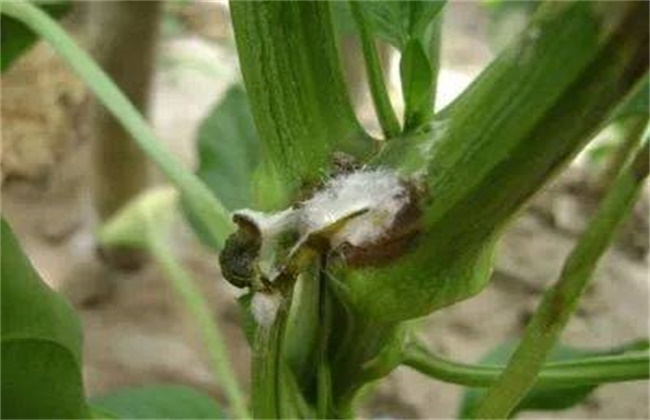
1. Symptoms
Buckeye rot mainly harms immature fruit. It first appears at the blossom end or shoulder of the fruit as smooth, light brown patches, sometimes with a little white mold growing on them, or gradually turning into concentric ring patterned spots and then gradually becoming dark brown, with the flesh beneath the skin also turning brown. When humidity is high, white mold-like growth also appears on the diseased area. The diseased fruit also keeps its original shape, does not soften, and drops off very easily. When leaves are infected, large water-soaked chlorotic spots grow on them and gradually rot, with some showing concentric rings.
2. Occurrence pattern
The pathogen first overwinters in the soil as oospores or chlamydospores along with diseased plant debris. The following year it is splashed by rain onto fruit near the ground. After germination the pathogen produces germ tubes that gradually invade through the fruit skin and cause disease. Later, the mycelium in the diseased area produces sporangia and zoospores, which spread through rain and irrigation water and cause repeat infection. By late autumn spores have already formed to overwinter. It can develop between 8-38 degrees, and develops best at 30 degrees and humidity above 95%, so in summer during hot, rainy seasons, or in low-lying land and clay soil, the disease is more severe.
3. Prevention and control methods
Because this disease develops quickly and occurs during the rainy season, comprehensive control measures focused on prevention should be adopted. You can choose plots where solanaceous vegetables have been grown for three years, with high terrain and good drainage, for planting. Before transplanting, prepare the soil carefully by opening deep furrows, hilling soil high, and reducing soil moisture content. During cultivation, prune branches and remove suckers in time, remove old leaves and inner leaves, and increase air circulation between plants. Using plastic film mulching cultivation can prevent the pathogen from splashing onto plants or fruit through irrigation water. When disease occurs, spray chemicals such as phosethyl-Al, metalaxyl mancozeb, metalaxyl mancozeb, phosethyl-mancozeb, and metalaxyl copper for control, focusing on protecting the fruit clusters while also properly covering the ground. If rain falls within 1 hour after spraying, respray.
The above is an introduction to prevention and control measures for tomato buckeye rot. We hope it helps you. To learn more related knowledge, please keep following us.