How to manage winter melon during the fruiting stage? These key points must be mastered
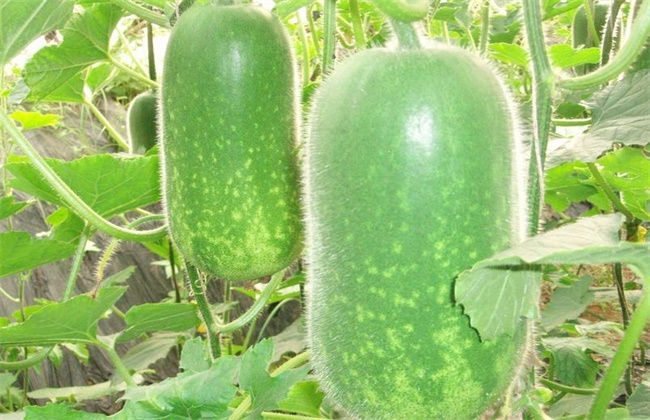
Winter melon is a vegetable for autumn and winter, and with greenhouse technology it can be brought to market around the Spring Festival. However, if management is improper during the fruiting stage of winter melon, it will not only cause extremely low yields, but also lead to severe pests and diseases and a serious drop in yield. So how should winter melon be managed during the fruiting stage? Let's take a look together with the editor.
1. Pollination
Winter melon can use artificial pollination to increase the fruit-setting rate. The specific method is to remove the petals of the male flower when it opens in the morning, and then smear its pollen onto the stigma of the female flower. You can also use a cotton swab to rub the stamens of the male flower, then use the cotton swab to smear it on the stigma of the female flower. Both methods can significantly increase the fruit-setting rate. The best time for pollination is around 8 a.m., and it is best not to exceed 10 o'clock. One to two days after pollination, if the male flowers wither, the female flowers slowly shrink, and the small melons keep growing larger, it means pollination was successful.
2. Removing vines and pinching the tips
Side vines will grow between each leaf stalk and stem of the winter melon. These side vines consume a large amount of nutrients from the plant as they grow, so the side vines should be removed in time. This is to avoid affecting the plant's fruit setting and fruiting. It should be noted that these side vines grow extremely fast, so they generally need to be removed once every other day. After fruit setting, pinch the tip of the main vine when 7-10 leaves are kept before the melon, which helps concentrate nutrients and improves the fruit-setting rate.
3. Fertilizer and water management
After the winter melon has set fruit steadily, the growth and development of the young melon has an extremely high demand for fertilizer, so fertilizer should be applied heavily. Generally, 15 kg of urea per mu needs to be applied with irrigation water, and topdressing should be done once every half month. In the middle stage of fruiting, water generally once every 7-10 days. In the late stage of fruiting, watering should be frequent, generally once a week, keeping the soil moist, which is beneficial for the rapid expansion of the melon.
4. Pest and disease control
The main pests and diseases of winter melon are powdery mildew, fusarium wilt and aphids. When powdery mildew occurs, round or irregular white spots appear on the leaves. When it occurs, triadimefon or sulfur suspension concentrate can be used for control, sprayed once a week. Fusarium wilt also mainly appears on the leaves and stems, causing the leaves to wilt and the stems to die. Carbendazim can be used as a root drench for control, once every 10 days. Aphids have strong reproductive capacity and can cause damage for multiple generations in a short time. Imidacloprid can be used for control, sprayed once a week.
The above is an introduction to the key management points for winter melon during the fruiting stage. We hope it can help you. If you want to learn more related knowledge, please stay tuned to us.