How to fertilize autumn radishes? Master the correct fertilization methods
Radish is a major vegetable in autumn and winter, and early autumn is generally the main planting period for radishes. When planting radishes in autumn, we need to provide sufficient nutrients for the radishes to ensure their yield and quality, so the fertilization work for autumn radishes is particularly important. Therefore, in autumn we must fertilize in a timely manner. So how should autumn radishes be fertilized? Below, the editor brings you the fertilization methods for autumn radishes. Let's take a look!
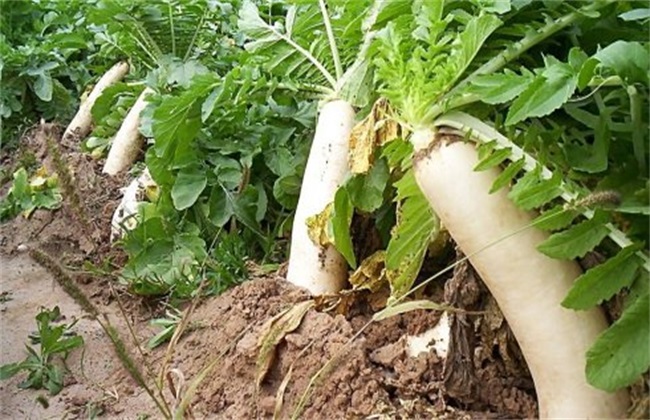
1. Apply sufficient base fertilizer
When planting autumn radishes, the application of base fertilizer is very critical. Applying sufficient base fertilizer is the main measure to ensure high radish yields. When applying base fertilizer, we should choose the appropriate type and amount according to the soil and the variety being planted. For example, when planting autumn radishes in the Yangtze River Basin, farmyard manure is generally used as the base fertilizer. However, base fertilizer alone should not be applied, otherwise autumn radishes tend to grow excessively and their quality will not be very good. So we should also pay attention to combining it with an appropriate amount of phosphorus and potassium fertilizers, barnyard manure and other fertilizers. And before sowing, phosphate fertilizer can also be applied in holes. Applying an appropriate amount of superphosphate per mu can effectively increase the yield of autumn radishes.
2. Fertilization methods
Under normal circumstances, about 2800 kg of barnyard manure should be applied per mu as base fertilizer, combined with 50 kg of plant ash and about 30 kg of superphosphate. During land preparation, mix it into the soil, then apply about 3000 kg of farmyard manure. Rake the soil flat and make beds to promote the growth of autumn radish seedlings, increase the rate of strong seedlings, and enhance the growth of the autumn radish's fleshy root. When applying base fertilizer, be sure that the farmyard manure is fully decomposed to avoid burning the main root of the seedlings. While ensuring nutrition for seedling growth, it is also necessary to avoid fertilizer damage.
3. Reasonable topdressing
When topdressing, we should follow the fertilizer requirement pattern of autumn radishes, and in terms of topdressing amount, follow the principle of heavy, light, heavy. When the autumn radish seedlings grow two true leaves, carry out the first topdressing, mainly with thin and diluted human manure and urine. Then during the second thinning of seedlings, carry out the second topdressing, this time combined with an appropriate amount of potassium sulfate. Then when the autumn radish plants grow to the small-to-medium size, carry out the third topdressing. At this time, the radish's fleshy root will expand rapidly, and after that no more topdressing is needed. However, if it is a large autumn radish, then its growth period is relatively long, so when the radish begins to shoulder, we should apply an appropriate amount of potassium fertilizer again, which is very beneficial for increasing yield.
The above is a brief introduction to the fertilization methods for autumn radishes. When planting autumn radishes, fertilization is very critical, directly affecting the growth of autumn radishes and closely related to both the yield and the quality of the radishes, so everyone must pay close attention. That is all for today's introduction. This article is for reference only, and we hope it can help everyone!