When should chives be fertilized? Detailed explanation of fertilization timing and methods
Chives are a very common vegetable in our daily lives. Chives have many benefits and effects, and are welcomed by many people. So now chives are basically cultivated all over our country. When growing chives, if you want a high yield, then fertilization work is important. So when should chives be fertilized? And how should it be done? Below, the editor brings you the fertilization timing and methods for chives, let's take a look!
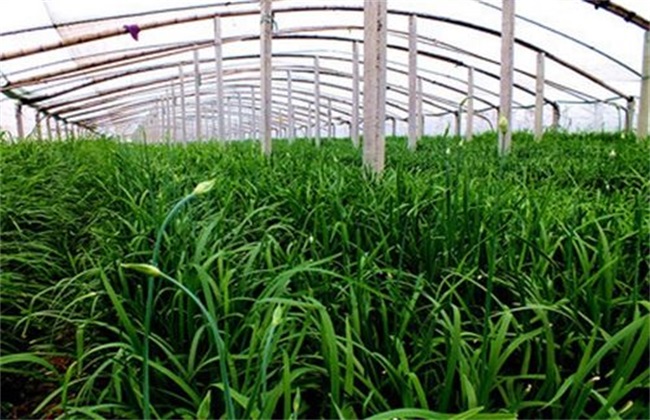
1. Fertilization during the seedling period
When fertilizing chives, we should fertilize according to the growth stage of the chives. First is the chive seedling period. Before sowing the chives, we should apply sufficient base fertilizer into the soil. The base fertilizer is mainly decomposed barnyard manure, combined with an appropriate amount of superphosphate, etc. Spread the fertilizer evenly and comprehensively on the soil, plow and level the soil to improve soil fertility. Then after the chive seeds emerge, apply about three rounds of human feces and urine as topdressing combined with watering. When fertilizing during the seedling period, pay attention to applying water and fertilizer together to prevent fertilizer damage to the chive seedlings.
2. Fertilization during the transplanting period
Then we should fertilize again during the chive transplanting period. Before transplanting, we should likewise apply sufficient base fertilizer. The base fertilizer is the same as the fertilizer applied before sowing, mainly decomposed farmyard manure, with an appropriate amount of superphosphate, potassium sulfate, etc. added. Then rake the transplanting field level and prepare the beds for planting. After the chive seedlings are transplanted and planted, promptly water once with planting water to avoid uneven application of the base fertilizer, which could cause excessive local heat from the fertilizer and lead to adverse phenomena such as fertilizer damage and root burn.
3. Fertilization during the growth period
After the first year of planting chives, we should do the fertilization work well. First, water after planting to improve the survival rate of the chive seedlings. Then after the chive seedlings grow new leaves, apply about 1500 jin of dilute human feces and urine per mu, or an appropriate amount of urea. After entering autumn, it is the best season for chive growth. Therefore at this time we should apply an appropriate amount of ammonium sulfate about every half month, or alternatively apply decomposed human feces and urine, and likewise keep applying water and fertilizer together to avoid fertilizer damage.
4. Fertilization in the second year
In the second year after planting, the chives enter the green-up period. After the new seedlings emerge, apply farmyard manure or ammonium sulfate with irrigation. When the seedlings grow to about 15 cm, then flush-apply about 2500 jin of farmyard manure per mu along with water, and water once. Then for each harvest of chives, after new leaves grow from the wound, one round of water and fertilizer management should be carried out. Do not apply topdressing directly on the wound just after harvest, to avoid fertilizer damage. When fertilizing, organic fertilizer and chemical fertilizer can be applied alternately to ensure the nutritional needs of chive growth are met.
The above is a brief introduction to the fertilization timing and methods for chives. That's all for today's introduction. This article is for reference only, and I hope it can help everyone!