How to avoid herbicide damage when weeding wheat in winter
After entering winter, the temperature drops more noticeably, and at this time crops are basically in dormancy and have stopped growing. This winter, however, the temperature is still relatively high, and recently it has risen again, so many farmers are also carrying out field management of wheat, especially weeding. But when weeding, you must also watch out for herbicide damage. So how can you avoid herbicide damage when weeding wheat? Let's find out.
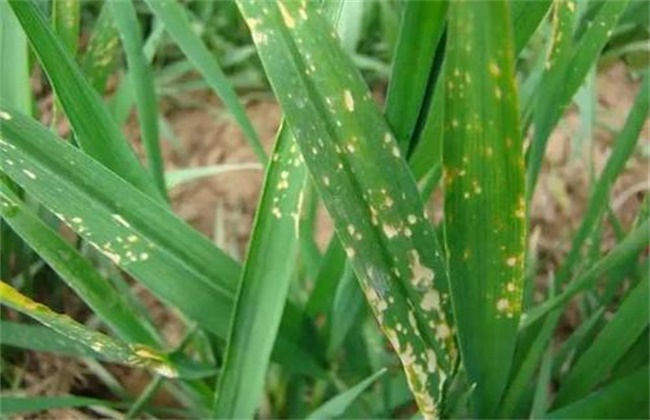
I. How should wheat be weeded to avoid herbicide damage?
1. Make sure there is no frost after application
Although the weather has been sunny recently and the temperature is fairly suitable, the temperature difference between day and night is still quite large, so when using herbicides you must always pay attention to weather changes and there must be no frost. This is because after wheat is sprayed with herbicide, both the weeds and the wheat are harmed, but it is only because safeners are added to the herbicide that the wheat stays safe. If frost or a sharp drop in temperature occurs after spraying, the safener cannot do its job and cannot detoxify, causing herbicide damage.
2. Keep the application temperature above 5-8 degrees
Wheat herbicides are quite sensitive to temperature. If the temperature is too low, it will not only affect the weeding effect but also cause herbicide damage. For wheat herbicides, generally the higher the temperature, the better the weeds absorb them, but winter temperatures are generally not great, so it is more suitable to spray when the daily average temperature is 5-8 degrees.
3. Pay attention to the spraying time
When using herbicides to control weeds, it is best to choose after 9 a.m. and before 3 p.m., because the temperature is higher during this period and the dew has basically evaporated completely, so applying the herbicide at this time helps the solution stick to the weeds. Also, because there is plenty of light, the weed stomata are open, making it very easy for them to absorb water and the herbicide solution, so the weeding effect is obvious.
4. Do not use herbicide on thin, weak seedlings
When spraying, you must also take the actual situation into account, that is, do not use herbicide on late-sown or small seedlings, otherwise the herbicide damage will be worse. In addition, chemical weeding should not be carried out on weak or yellow seedlings caused by incomplete straw return to the field.
II. Remedial methods for herbicide damage
After herbicide damage occurs in wheat, promptly spray brassinolide + potassium dihydrogen phosphate, amino acid foliar fertilizer + potassium dihydrogen phosphate, or biostimulants + potassium dihydrogen phosphate to repair the damaged tissues. After that, you can choose to water or, when it rains, broadcast chelated zinc fertilizer plus urea to promote the root system to recover as quickly as possible, ensure safe overwintering, and guarantee rapid growth after spring begins.
The above is an introduction to how to avoid herbicide damage when weeding wheat in winter. We hope it helps you. To learn more related knowledge, please follow us.